
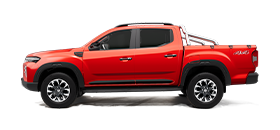
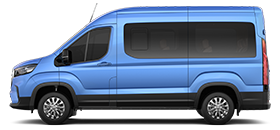
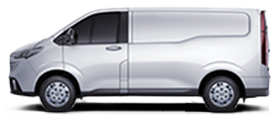
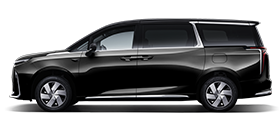
- Pickup Trucks
-
 eTerron 9
- Commercial Vehicles
-
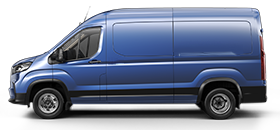 eDeliver 9
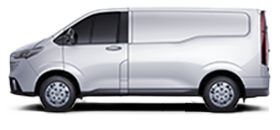 eDeliver 7
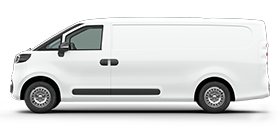 eDeliver 5
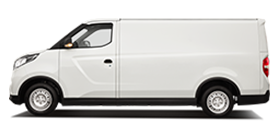 eDeliver 3
SAIC MAXUS · Glossary
Vehicle, EV, regulatory, and market terminology
0-9
360-Degree Camera
A 360-degree camera system uses multiple cameras positioned around the vehicle to create a composite top-down or multi-angle view. It helps the driver see nearby obstacles and parking surroundings, but image stitching can create blind areas and the system does not replace direct observation.
48V Mild Hybrid
A 48V mild-hybrid system combines a 48-volt electrical architecture with a motor-generator to support functions such as engine start-stop, regenerative braking and limited torque assistance. It can improve efficiency and smoothness, but it normally cannot provide extended electric-only driving.
A
AC Charging
AC charging supplies alternating current from an external power source to the vehicle. The vehicle's on-board charger converts the AC electricity into DC electricity for the traction battery, and actual charging power depends on the vehicle, charging equipment and local electrical supply.
Adaptive Cruise Control (ACC)
Adaptive Cruise Control maintains a selected cruising speed while using radar, cameras or other sensors to detect vehicles ahead. Within its operating limits, it can automatically adjust vehicle speed to maintain a set following distance, but the driver remains responsible for monitoring the road and taking control when necessary.
Advanced Driver Assistance Systems (ADAS)
ADAS is a collective term for technologies such as adaptive cruise control, autonomous emergency braking, lane-keeping assistance and blind-spot monitoring. These systems are designed to assist the driver and reduce driving workload, but they do not make the vehicle fully autonomous.
Air Suspension
Air suspension uses air springs instead of, or in combination with, conventional metal springs. Depending on the vehicle, it can adjust ride height or suspension characteristics to improve comfort, stability, ground clearance or loading convenience.
Airbag
An airbag is a supplemental restraint that inflates rapidly during certain types of collisions. Working together with seat belts, airbags can help reduce the risk of occupants striking hard interior surfaces; the number, location and deployment conditions vary by vehicle.
All-Terrain System (ATS)
An All-Terrain System coordinates functions such as power delivery, drive distribution, braking and selectable drive modes to help the vehicle adapt to different road or off-road surfaces. Available modes and operating limits vary by model.
All-Wheel Drive (AWD)
All-Wheel Drive can distribute driving torque to both front and rear axles, or to multiple wheels, according to traction and vehicle conditions. It can improve grip during acceleration and on low-traction surfaces, but its operating principle may differ from a traditional mechanical 4WD system.
ALL³ ROADMAP
ALL³ ROADMAP is a SAIC MAXUS new-energy strategy concept that emphasizes the coordinated development of battery-electric, hybrid and hydrogen fuel-cell technologies. It supports the brand's broader electrification strategy across different platforms, vehicle types and global markets.
ANCAP
ANCAP stands for Australasian New Car Assessment Program, an independent vehicle safety assessment program used in Australia and New Zealand. It evaluates crash protection and active safety performance, and ratings should always be considered together with the test year, protocol and vehicle specification.
Android Auto
Android Auto is Google's smartphone integration system for compatible Android devices. It can display and control functions such as navigation, calls, messages, music and selected apps through the vehicle's infotainment system, subject to vehicle, phone, software and market compatibility.
Anti-lock Braking System (ABS)
ABS helps prevent the wheels from remaining locked during hard braking. By rapidly modulating brake pressure, it can help the driver retain a degree of steering control while braking, especially on slippery surfaces.
Anti-Roll Bar
An anti-roll bar, also called a stabilizer bar, links the left and right sides of a vehicle's suspension. It resists excessive body roll during cornering and helps improve handling stability.
Apple CarPlay
Apple CarPlay integrates a compatible iPhone with the vehicle's infotainment system. It can provide access to navigation, calls, messages, music and supported apps; wireless availability and supported functions depend on the vehicle and market.
Approach Angle
Approach angle is the maximum angle between the ground and a line from the front tire contact point to the lowest forward part of the vehicle. It indicates how steep an obstacle or ramp a vehicle can approach without the front bodywork contacting the ground.
Auto Hold
Auto Hold can maintain brake pressure after the vehicle has come to a complete stop, allowing the driver to remove their foot from the brake pedal in certain conditions. The system typically releases when the driver accelerates or when other release conditions are met.
Automatic Transmission (AT)
An automatic transmission selects gear ratios automatically according to vehicle speed, engine load and driving demand. Different AT systems may use different numbers of gears, torque converters and control strategies.
Autonomous Emergency Braking (AEB)
AEB monitors for potential collisions and can warn the driver and, in certain situations, automatically apply the brakes if the driver does not respond sufficiently. Detection performance depends on factors such as speed, weather, road conditions and the type of object ahead.
B
Battery Capacity
Battery capacity indicates how much electrical energy a traction battery can store, usually expressed in kilowatt-hours (kWh). A larger battery can support longer range, but actual driving distance also depends on efficiency, speed, payload, temperature and other operating conditions.
Battery Electric Vehicle (BEV)
A Battery Electric Vehicle is powered entirely by one or more electric motors using energy stored in a rechargeable traction battery. It has no conventional internal-combustion engine as its primary propulsion source and is typically charged from an external electrical supply.
Battery Management System (BMS)
A Battery Management System monitors battery voltage, current, temperature and state of charge, while coordinating charging, discharging, thermal management, cell balancing and fault protection. Its purpose is to help maintain battery safety, performance and durability.
Battery Thermal Management
Battery thermal management keeps the traction battery within an appropriate temperature range. It may use liquid cooling, heating, heat pumps or other methods to support charging performance, range consistency, battery life and safety.
Blind Spot Monitoring (BSM)
Blind Spot Monitoring uses radar or other sensors to detect vehicles or road users in areas that may be difficult to see through the mirrors. The system warns the driver when a target is detected in or approaching a monitored blind-spot area.
Bluetooth Connectivity
Bluetooth connectivity allows the vehicle's infotainment system to connect wirelessly with compatible phones or devices. Typical functions include hands-free calling, audio streaming and contact synchronization, depending on system and device compatibility.
Braked Towing Capacity
Braked towing capacity is the maximum trailer mass a vehicle is rated to tow when the trailer has an approved braking system of its own. The permitted value depends on the vehicle configuration, local regulations and towing conditions.
C
C2B
C2B stands for Customer-to-Business. In the MAXUS brand context, it refers to a customer-driven co-creation and customization approach that brings user needs, usage scenarios and feedback more directly into product definition, configuration and development.
Cab Chassis
A cab chassis consists of a complete cab, powertrain and chassis frame without a standard rear body. It provides a flexible foundation for specialist bodies such as box vans, refrigerated bodies, service vehicles or other commercial conversions.
Captain's Chairs
Captain's chairs are individual seats, commonly used in the second row of an MPV. Compared with a bench seat, they can offer greater personal space and may include features such as armrests, power adjustment, heating, ventilation or leg rests depending on the model.
Cargo Bed
A cargo bed is the open load area at the rear of a pickup truck. It is designed to carry tools, goods or outdoor equipment, and dimensions, payload limits, protective coatings, covers and power outlets vary by vehicle.
Cargo Box
Cargo box is a general term for a vehicle's load-carrying box or bed. On a pickup it usually means the open rear load area; in some commercial-vehicle contexts it can also refer to a separate enclosed body mounted on a chassis.
Cargo Height
Cargo height is the usable vertical height inside a load compartment. It is an important specification for determining whether tall cargo, shelving or equipment can fit inside a van or other commercial vehicle.
Cargo Length
Cargo length is the usable internal longitudinal length of a vehicle's load area, generally measured from the front cargo boundary or bulkhead to the rear doors. It is a key factor when selecting a van for long items or equipment.
Cargo Space
Cargo space refers to the usable area available for goods, luggage or equipment. For commercial vehicles, the shape of the space, door openings, load-floor dimensions and practical accessibility can be as important as the total volume figure.
Cargo Van
A cargo van is a van configured primarily for transporting goods. It usually has an enclosed load compartment and limited or no rear passenger seating, making it suitable for delivery, service, retail replenishment and other commercial tasks.
Cargo Volume
Cargo volume is the internal load-carrying volume of a vehicle, usually expressed in cubic metres (m³). Measurement methods can differ, so comparisons should consider the body version and whether wheel arches, bulkheads or other structures are included.
Cargo Width
Cargo width is the usable internal width of a load compartment. For van operators, maximum width, width between the wheel arches and side-door opening width can all affect the ability to load pallets, boxes and equipment.
Charging Power
Charging power is the rate at which electrical energy is delivered to a vehicle, normally expressed in kilowatts (kW). Actual charging speed depends on the vehicle's accepted power, charger capability, battery temperature and state of charge.
Charging Time
Charging time is the period required to charge a battery from one specified state of charge to another. Meaningful comparisons should identify the starting and ending SOC, whether AC or DC charging is used, and the relevant test conditions.
Charging Time (30–80%)
30–80% charging time describes how long a battery takes to charge from 30% to 80% state of charge, commonly under DC fast-charging conditions. This range is often used because charging power typically tapers as the battery approaches a high SOC.
Chassis Cab
A chassis cab is a commercial-vehicle configuration with a complete cab and chassis but no standard rear body. It allows converters or fleet operators to install specialized bodies such as box bodies, refrigerated units, recovery equipment or utility platforms.
Child Occupant Protection
Child Occupant Protection is a safety-assessment category that evaluates how well a vehicle protects children in crashes and how effectively compatible child-restraint systems can be installed and used.
Combined WLTP Range
Combined WLTP range is the driving range measured under the combined phases of the WLTP test procedure. It provides a standardized basis for comparison, although real-world range can vary significantly with weather, speed, terrain, payload and driving style.
Commercial Van Safety Rating
A commercial van safety rating evaluates the active-safety, collision-avoidance or driver-assistance performance of a light commercial van. Test content and rating labels vary by assessment organization and can change as protocols are updated.
Commercial Vehicle
A commercial vehicle is primarily designed or used for transporting goods, carrying passengers for business purposes, service work or other commercial operations. The category can include vans, passenger vans, pickups, chassis cabs and other body types.
Crossover
A crossover combines characteristics traditionally associated with different vehicle categories, such as passenger-car driving behavior with SUV-style seating position or body design. The term is widely used in marketing and does not have one globally consistent regulatory definition.
Crossover SUV
A crossover SUV typically uses a passenger-car-oriented platform while providing SUV-like seating, interior versatility and exterior design. It is generally focused on urban driving, comfort and multi-purpose use rather than heavy off-road operation.
Crumple Zone
A crumple zone is a part of the vehicle structure designed to deform in a controlled way during a collision. By absorbing crash energy before it reaches the passenger compartment, it works together with a strong occupant cell, seat belts and airbags to improve protection.
D
DC Fast Charging
DC fast charging converts grid electricity to direct current in the charging equipment and supplies it directly to the traction battery. Because it largely bypasses the vehicle's AC on-board charger, it can deliver much higher charging power than typical AC charging.
DC-DC Converter
A DC-DC converter changes one DC voltage level into another. In an electric vehicle it commonly converts high-voltage battery power into lower-voltage electricity for the 12V system, lighting, control units and other accessories.
DELIVER
DELIVER is a MAXUS commercial-van product family name. Depending on the market and model, DELIVER vehicles can use different powertrains, body lengths, roof heights and payload specifications.
Departure Angle
Departure angle is the maximum angle between the ground and a line from the rear tire contact point to the lowest rear part of the vehicle. It indicates how steep a slope or obstacle a vehicle can leave without the rear bodywork contacting the ground.
Diesel Engine
A diesel engine is an internal-combustion engine that compresses air to a high temperature and then injects diesel fuel for combustion. Diesel engines are commonly used in vans and pickups because of their strong low-speed torque and efficiency under load.
Digital Audio Broadcasting (DAB)
DAB is a digital radio broadcasting standard that can provide multiple radio services and additional information compared with traditional analogue radio. Availability depends on vehicle equipment and local broadcast infrastructure.
Digital Instrument Cluster
A digital instrument cluster uses an electronic display to present information such as speed, energy use, range, navigation and driver-assistance status. Display layouts and available information vary by vehicle and software configuration.
Disc Brake
A disc brake slows the vehicle by using a caliper to press friction pads against a rotating brake disc. Disc brakes are widely used because they provide consistent braking performance and good heat dissipation.
Double Cab
A double cab pickup has two rows of seating and rear passenger doors. It is designed to balance passenger-carrying capability with a usable cargo bed, making it suitable for both work and personal use.
Drive Mode
A drive mode changes selected vehicle settings to suit different driving conditions or preferences. Depending on the vehicle, it may alter accelerator response, power delivery, steering, regenerative braking, AWD/4WD behavior or suspension settings.
Driver Monitoring System (DMS)
A Driver Monitoring System uses cameras or other sensors to assess driver attention, fatigue or gaze behavior. It can issue alerts when signs of distraction or drowsiness are detected, subject to the system's operating limits.
Dual Motor
A dual-motor electric drivetrain uses two electric drive units, commonly one for each axle. It can provide higher combined output, more flexible torque distribution and, in many designs, electric all-wheel drive.
Dual-Clutch Transmission (DCT)
A dual-clutch transmission uses two clutches to control alternating groups of gears. By preselecting the next gear, a DCT can deliver fast gear changes and efficient power transfer, although shift behavior depends on calibration and driving conditions.
E
eDELIVER
eDELIVER is the MAXUS electric commercial-van product family. Models within the range are designed for commercial transport and differ in battery size, WLTP range, payload, cargo capacity, body configuration and charging performance.
Eight-Seater
An eight-seater vehicle has eight approved seating positions. This layout is common in MPVs and passenger vans, while the exact seat arrangement, luggage space and licensing implications vary by vehicle and market.
Electric Motor
An electric motor converts electrical energy into mechanical energy to drive the vehicle. Automotive motors are commonly described by peak power, continuous power, torque, efficiency and operating speed.
Electric Pickup Truck
An electric pickup truck combines an electric drivetrain with a passenger cab and open cargo bed. Depending on the model, it may also offer AWD or 4WD, towing capability, off-road modes and external power functions such as V2L.
Electric Power Take-Off (ePTO)
ePTO uses a vehicle's electrical system to power external work equipment such as refrigeration units, hydraulic pumps or lifting systems. It can reduce the need for a mechanical PTO or a separate auxiliary engine on an electric commercial vehicle.
Electric Sliding Door
An electric sliding door uses a motor to open and close a side sliding door automatically. It is commonly found on MPVs and passenger vans and can improve convenience in tight parking spaces or during frequent passenger entry and exit.
Electric Tailgate
An electric tailgate uses powered actuators to open and close the rear tailgate automatically. Depending on the vehicle, it may be controlled by the key, interior switches, exterior buttons or hands-free sensors.
Electric Van
An electric van is a van powered primarily by a traction battery and electric motor. For commercial use, range should be considered together with payload, cargo volume, charging time, energy consumption and the intended duty cycle.
Electric Vehicle (EV)
Electric Vehicle is a broad term for a vehicle using electric propulsion. In consumer usage it often refers to a battery-electric vehicle, while in broader technical contexts it may also include plug-in hybrids and fuel-cell electric vehicles.
Electronic Brakeforce Distribution (EBD)
Electronic Brakeforce Distribution works with the braking system, typically alongside ABS, to adjust braking force between the wheels or axles according to load and driving conditions. Its purpose is to improve braking stability and efficiency.
Electronic Parking Brake (EPB)
An Electronic Parking Brake uses an electric actuator instead of a traditional mechanical handbrake lever. It can simplify parking-brake operation and may integrate with functions such as Auto Hold or hill-start assistance.
Electronic Power Steering (EPS)
Electronic Power Steering uses an electric motor to provide steering assistance. Compared with hydraulic power steering, EPS can reduce continuous energy consumption and can integrate more easily with lane-keeping and parking-assistance functions.
Electronic Stability Control (ESC)
ESC monitors steering input, wheel speeds and vehicle motion to detect a developing loss of stability. It can selectively brake individual wheels and reduce drive torque to help the vehicle follow the driver's intended direction.
Energy Consumption
Energy consumption describes how much energy a vehicle uses to travel a given distance. Electric vehicles commonly express it in kWh/100 km or Wh/km, and real consumption is affected by speed, climate, payload, terrain and driving style.
eTERRON
eTERRON is a MAXUS electric pickup product family name. The range is positioned around electric performance, cargo and towing capability, and may include features such as all-wheel drive, all-terrain control and external power supply depending on the model.
Euro NCAP
Euro NCAP is the European New Car Assessment Programme, an independent vehicle safety assessment organization. It evaluates areas such as adult and child occupant protection, vulnerable road-user protection and safety-assist technologies, with protocols that evolve over time.
Euro NCAP Five-Star Rating
A Euro NCAP five-star rating indicates a high overall level of safety performance under the protocol and test year applicable to that vehicle. Ratings should not be compared without considering the year, protocol version and tested specification.
EV Range
EV range is the distance an electric vehicle can travel from a specified battery state of charge, commonly from a full charge. Official test range provides a standardized reference, while real-world range varies with speed, temperature, payload, terrain, HVAC use and driving style.
F
Forward Collision Warning (FCW)
Forward Collision Warning monitors the road ahead and alerts the driver when the system detects a potential frontal-collision risk. Warnings can be visual, audible or haptic and are intended to prompt the driver to take action.
Four-Wheel Drive (4WD)
Four-Wheel Drive sends propulsion torque to all four wheels. Systems can be part-time, full-time, on-demand or electrically driven, and are commonly used in pickups and SUVs to improve traction on challenging surfaces.
Front-Wheel Drive (FWD)
Front-Wheel Drive sends the vehicle's primary drive torque to the front wheels. It is widely used in passenger cars and light commercial vehicles because it can provide efficient packaging and good traction in many everyday driving conditions.
Frunk
Frunk is short for front trunk. Electric vehicles may use space under the front hood for additional storage because there is no conventional engine occupying the same volume; capacity and weight limits vary by vehicle.
Fuel Cell Electric Vehicle (FCEV)
A Fuel Cell Electric Vehicle generates electricity on board using a fuel-cell system, typically combining hydrogen with oxygen. The electricity powers an electric motor, while a battery is usually used for energy buffering and regenerative braking.
G
Gross Combination Weight
Gross combination weight is the total actual mass of a towing vehicle and its connected trailer, including occupants, cargo and equipment. It must remain within the manufacturer's and local regulatory limits.
Gross Vehicle Mass (GVM)
Gross Vehicle Mass is the maximum permitted total mass of a vehicle, including the vehicle itself, occupants, cargo and fitted accessories. The term is commonly used in markets such as Australia and New Zealand and is broadly comparable to GVWR.
Gross Vehicle Weight (GVW)
Gross Vehicle Weight is the actual total weight of a vehicle at a given time, including the vehicle, occupants, cargo, fuel or energy-related equipment and accessories. It should not exceed the vehicle's maximum permitted mass.
Gross Vehicle Weight Rating (GVWR)
GVWR is the maximum total operating weight specified for a vehicle by the manufacturer. It includes the vehicle itself, occupants, cargo and accessories; exceeding GVWR can affect safety, durability, braking and legal compliance.
Ground Clearance
Ground clearance is the vertical distance between the ground and the lowest relevant part of the vehicle. It is one factor affecting the ability to travel over uneven roads, ramps and off-road obstacles, and measurements may differ between unloaded and loaded conditions.
H
Heated Seats
Heated seats use electric heating elements within the seat cushion and/or backrest to improve comfort in cold conditions. The number of heat levels and which seats are equipped varies by model and trim.
High-Strength Steel
High-strength steel is steel engineered to provide greater yield or tensile strength than conventional grades. In vehicles it is commonly used in passenger-cell, crash and chassis structures to improve stiffness and protection while controlling weight.
High-Voltage Battery
A high-voltage battery is the traction battery used to power electric motors and other high-voltage systems in an EV or hybrid. Its voltage is far above the traditional 12V electrical system, so servicing and emergency handling require specific high-voltage safety procedures.
Hill Descent Control (HDC)
Hill Descent Control helps maintain a controlled low speed when travelling down a steep slope. It can automatically manage braking and, where applicable, power delivery so the driver does not need to continuously apply the brake pedal.
Hill Start Assist (HSA)
Hill Start Assist temporarily maintains brake pressure when the driver moves from the brake pedal to the accelerator on a slope. This helps reduce unintended vehicle roll during hill starts.
Hybrid Electric Vehicle (HEV)
A Hybrid Electric Vehicle combines an internal-combustion engine with one or more electric motors. Its battery is generally charged by the engine and regenerative braking rather than by plugging into an external power source.
Hydrogen Fuel Cell
A hydrogen fuel cell produces electricity through an electrochemical reaction between hydrogen and oxygen. In a vehicle, the electricity can power the traction motor, with additional systems for hydrogen storage, air supply, thermal management and energy buffering.
I
Independent Suspension
Independent suspension allows the wheels on the same axle to move largely independently of each other. This can improve ride comfort and help the tires maintain road contact when one wheel encounters a bump or uneven surface.
Infotainment System
An infotainment system combines functions such as audio, navigation, phone connectivity, vehicle settings and online services. It is typically controlled through a touchscreen, voice commands, physical controls or steering-wheel buttons.
Internal Combustion Engine (ICE)
An Internal Combustion Engine produces mechanical power by burning fuel such as petrol or diesel inside the engine. The automotive industry commonly uses ICE to distinguish conventional combustion-powered vehicles from electric vehicles.
ISOFIX
ISOFIX is an international child-seat anchorage system using fixed attachment points built into the vehicle. It can simplify the installation of compatible child restraints and reduce installation variability compared with using a seat belt alone.
K
Kerb Weight / Curb Weight
Kerb or curb weight is the weight of a vehicle in a road-ready condition without additional cargo and, in most definitions, without most occupants. The exact inclusion of fuel, fluids, standard equipment and the driver can vary by market regulations.
Keyless Entry
Keyless entry allows the vehicle to unlock or lock when an authorized smart key or digital key is detected nearby, without inserting a mechanical key into the door lock.
Kilowatt (kW)
A kilowatt is a unit of power equal to 1,000 watts. In automotive use it is commonly used to express electric-motor output, engine power and charging-station power.
Kilowatt-hour (kWh)
A kilowatt-hour is a unit of energy. In electric vehicles it is commonly used to describe traction-battery capacity or the amount of energy delivered during charging; it is different from kilowatts, which measure power.
kWh/100 km
kWh/100 km is a common measure of electric-vehicle energy consumption, showing how many kilowatt-hours are used to travel 100 kilometres. Lower values generally indicate greater energy efficiency under comparable conditions.
L
L1H1 / L2H2 / L3H3
L and H codes are commonly used to describe commercial-van body sizes. L usually indicates a length or wheelbase class and H a roof-height class; higher numbers generally mean a longer or taller body, but exact dimensions are model-specific.
Lane Departure Warning (LDW)
Lane Departure Warning detects road lane markings and warns the driver if the vehicle begins to leave its lane unintentionally. It generally provides an alert rather than sustained steering control.
Lane Keeping Assist (LKA)
Lane Keeping Assist can provide steering input when the vehicle begins to drift out of a detected lane. It is a driver-assistance feature, not an autonomous driving system, and the driver must remain attentive and in control.
Light Commercial Vehicle (LCV)
A Light Commercial Vehicle is a vehicle designed primarily for commercial transport or service use, commonly including small and medium vans, larger vans and chassis cabs. The legal weight definition of LCV varies by country.
Liquid-Cooled Battery
A liquid-cooled battery uses circulating coolant to manage the temperature of the battery pack. This can help maintain more consistent performance during fast charging, high-load driving and extreme ambient temperatures.
Load Floor
The load floor is the surface inside a cargo area on which goods are placed. Its height, width, length, wheel-arch intrusion and tie-down points can significantly affect loading efficiency.
Load Height
Load height usually refers to the vertical distance from the ground to the cargo floor or loading platform. A lower load height can make manual loading and unloading easier, especially for heavy goods or wheeled equipment.
Load Volume
Load volume is the usable internal volume available for cargo, similar in meaning to cargo volume. Comparisons should consider the body style and the manufacturer's measurement method.
Long Wheelbase (LWB)
Long Wheelbase describes a version of a vehicle with a longer distance between the front and rear axles than another version in the same range. It often provides more cabin or cargo length but can increase overall length and turning requirements.
M
Maximum Payload
Maximum payload is the highest permitted combined weight of occupants, cargo and added equipment that the vehicle can carry without exceeding its rated maximum vehicle mass. It is closely related to kerb weight and GVWR or GVM.
Maximum Power
Maximum power is the highest power output an engine or electric motor can produce under specified test conditions. It is normally expressed in kW and should be considered together with torque, gearing and vehicle weight.
Maximum Torque
Maximum torque is the highest rotational force an engine or motor can produce under specified conditions, usually expressed in N·m. Strong low-speed torque is especially useful for acceleration, climbing, carrying heavy loads and towing.
Maximum Towing Capacity
Maximum towing capacity is the highest trailer mass a vehicle is rated to tow under specified conditions. Safe towing also depends on trailer brakes, gross combination mass, tongue weight, axle loads and the vehicle's payload.
MIFA
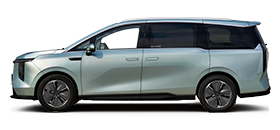
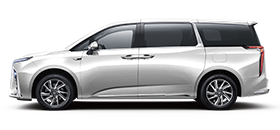
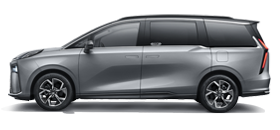
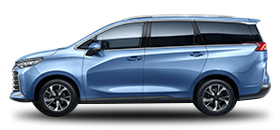
MIFA is a MAXUS MPV and people-mover product family name. Models in the range are positioned around multi-passenger space, seating comfort, intelligent features and family or business travel, with powertrain availability varying by market.
Mild Hybrid (MHEV)
A mild-hybrid vehicle uses a small electric motor, commonly with a 48V system, to assist the combustion engine with functions such as start-stop, regenerative braking and limited torque support. It normally cannot drive for long distances on electric power alone.
Multi-Link Suspension
Multi-link suspension uses several control arms or links to manage wheel movement. The arrangement allows engineers to balance handling, ride comfort, packaging and wheel control more precisely than many simpler suspension designs.
Multi-Purpose Vehicle (MPV)
A Multi-Purpose Vehicle is a passenger vehicle designed around flexible seating, multiple rows and practical interior space. MPVs commonly prioritize passenger comfort, easy access and family or business transport.
N
N1 Vehicle
N1 is a European vehicle category generally covering vehicles designed and constructed for the carriage of goods with a maximum mass not exceeding 3.5 tonnes. Type-approval, tax and operating rules depend on the relevant local regulations.
New Energy Vehicle (NEV)
New Energy Vehicle is a term widely used in China and some industry contexts for electrified vehicles such as BEVs, plug-in hybrids and fuel-cell vehicles. Other markets may use different regulatory or marketing classifications.
Newton-metre (N·m / Nm)
The newton-metre is the standard unit commonly used to express automotive torque. Higher torque can contribute to stronger acceleration, hill climbing, payload performance and towing, although overall vehicle performance depends on many additional factors.
O
On-Board Charger (OBC)
The On-Board Charger converts AC electricity from an external charging source into DC electricity suitable for the traction battery. Its rated power is one of the main factors determining the vehicle's maximum AC charging speed.
P
Panel Van
A panel van is a cargo-focused van with an enclosed load compartment, typically with solid body panels and few or no rear side windows. It is one of the most common light-commercial-vehicle body styles.
Panoramic Sunroof
A panoramic sunroof uses a large glass roof panel to increase light and the feeling of openness in the cabin. Some systems can open, while others are fixed; shading, insulation and opening functions vary by vehicle.
Parking Sensors
Parking sensors use ultrasonic or other sensing technologies to detect nearby obstacles and warn the driver during low-speed manoeuvring. They are an assistance feature and do not replace direct observation of the surroundings.
Passenger Van
A passenger van is configured primarily to carry people rather than cargo. It typically includes multiple rows of seats and side windows and can be used for shuttle, business, group or family transportation.
Payload
Payload is the total weight a vehicle can safely carry within its maximum permitted mass, including cargo, occupants and fitted equipment as defined by the applicable specification method. It is commonly related to the difference between rated maximum vehicle mass and kerb weight.
Payload vs Towing Capacity
Payload is the weight carried by the vehicle itself, while towing capacity is the trailer mass the vehicle is rated to pull. Trailer tongue weight normally counts against the vehicle's available payload, so the two limits must be considered together.
Peak Power
Peak power is the highest output an electric motor or powertrain can deliver for a limited period under specified conditions. It is different from continuous power, which can be sustained for longer periods.
Permanent Magnet Synchronous Motor
A Permanent Magnet Synchronous Motor uses permanent magnets in the rotor and operates in synchronization with the rotating magnetic field of the stator. It is widely used in EVs because of its high efficiency and power density.
Petrol/Gasoline Engine
A petrol or gasoline engine is a spark-ignition internal-combustion engine that burns petrol/gasoline to generate power. 'Petrol' is common in the UK and many international markets, while 'gasoline' is widely used in North America.
Pickup Truck
A pickup truck combines a passenger cab with an open cargo bed. It is designed to carry people and goods and often provides towing capability, higher ground clearance and available AWD or 4WD.
Plug-in Hybrid (PHEV)
A Plug-in Hybrid Electric Vehicle combines an internal-combustion engine with an electric motor and a battery that can be charged from an external power source. It can typically travel a certain distance on electric power before using the engine for longer journeys.
Power Adjustable Seats
Power adjustable seats use electric motors to change seat position, height, backrest angle, lumbar support or other settings. The number of adjustment directions, memory functions and available seating positions vary by model.
Power Tailgate
A power tailgate opens and closes the rear cargo door using electric actuators. Depending on the vehicle, it may support remote control, programmable opening height or hands-free activation.
Push-Button Start
Push-button start allows the driver to start the engine or place an electrified vehicle in the ready-to-drive state by pressing a button when an authorized smart key is detected.
Q
Quapact Multi-Link
Quapact Multi-Link is a MAXUS suspension technology name used on selected MPV products. It describes a compact multi-link rear-suspension concept intended to balance third-row space, ride comfort and vehicle handling; application depends on the specific model.
R
Real Driving Emissions (RDE)
Real Driving Emissions testing measures regulated vehicle emissions on public roads using portable emissions measurement equipment. It supplements laboratory testing and is governed by the regulations applicable in each market.
Real-World Range
Real-world range is the distance an electric vehicle can travel under actual driving conditions rather than standardized laboratory testing. It varies with temperature, speed, terrain, payload, tire condition, HVAC use and driving style.
Rear Axle
The rear axle is the rear structural and drivetrain assembly that supports or connects the rear wheels. Depending on the vehicle, it may include a differential, drive shafts, suspension mounting points or an electric drive unit.
Rear Cargo Door
A rear cargo door provides access to the load compartment of a van or commercial vehicle. Designs can include twin side-hinged doors, a liftgate or other configurations, and opening width and height strongly affect loading practicality.
Rear Cross Traffic Alert (RCTA)
Rear Cross Traffic Alert uses radar or other sensors to detect traffic approaching from either side behind the vehicle while reversing. It warns the driver of potential crossing conflicts, subject to sensor coverage and operating conditions.
Rear-Wheel Drive (RWD)
Rear-Wheel Drive sends propulsion torque primarily to the rear wheels. It is common in vehicles requiring strong load or towing capability and can influence vehicle packaging, traction and handling characteristics.
Regenerative Braking
Regenerative braking uses the electric drive motor as a generator during deceleration, converting part of the vehicle's kinetic energy back into electrical energy for the battery. Regeneration strength can be affected by battery SOC, temperature and drive mode.
S
Safety Assist
Safety Assist is a category used in vehicle-safety assessment programs such as Euro NCAP to evaluate active-safety and driver-assistance technologies that can help prevent or mitigate crashes. Test items and scoring evolve as protocols are updated.
SAIC MAXUS
SAIC MAXUS is an automotive brand within SAIC Motor, with a global product portfolio that includes commercial vans, pickups, MPVs, SUVs and multiple new-energy vehicle technologies. The global MAXUS website serves as an important reference point for brand and product terminology across markets.
SAIC Motor
SAIC Motor Corporation Limited is a major Chinese automotive group and the parent company of the MAXUS brand. Its activities include vehicle manufacturing, components, mobility services and the development of new-energy and intelligent vehicle technologies.
SAIC π Diesel Engine
SAIC π is the name used for a family of SAIC diesel-engine technologies applied to selected MAXUS commercial vehicles and pickups. Displacement, power, torque, emissions standard and transmission pairing vary by model and market.
Seating Configuration
Seating configuration describes the number and arrangement of seats in a vehicle, such as 2+2+3 or 2+3+3. In MPVs and passenger vans, different layouts balance passenger capacity, aisle access and luggage space.
Seven-Seater
A seven-seater vehicle provides seven approved seating positions, commonly arranged in three rows. Typical layouts include 2+2+3 and 2+3+2, with third-row comfort and luggage capacity varying by vehicle size.
Short Wheelbase (SWB)
Short Wheelbase describes the shorter wheelbase version within a model range. It generally provides better manoeuvrability and easier parking than a long-wheelbase version, but with less interior or cargo length.
Side Curtain Airbag
A side curtain airbag deploys from the roof rail or upper side structure during certain side impacts or rollover events. It is designed primarily to help protect occupants' heads, with coverage varying by vehicle.
Sliding Side Door
A sliding side door moves rearward along the side of the vehicle rather than swinging outward. It is common on vans and MPVs because it requires little lateral clearance and can improve passenger access or cargo loading.
Sport Utility Vehicle (SUV)
A Sport Utility Vehicle typically combines a higher seating position, flexible interior space and increased ground clearance. Some SUVs also offer AWD or 4WD for improved traction in poor road or off-road conditions.
State of Charge (SOC)
State of Charge indicates the amount of usable energy remaining in a battery as a percentage of its usable capacity. SOC influences displayed range, charging speed and certain powertrain strategies.
State of Health (SOH)
State of Health describes the condition of a battery relative to when it was new, commonly considering remaining capacity, internal resistance or available power. SOH changes over time with age, temperature, charging habits and usage cycles.
Steering Assist
Steering assist reduces the effort required to turn the steering wheel using hydraulic, electric or other assistance. Modern vehicles commonly use electric assistance that can vary with speed and integrate with driver-assistance functions.
T
Tailgate
A tailgate is the rear access panel or door of a vehicle. On a pickup it normally refers to the hinged rear panel of the cargo bed; on SUVs and MPVs it may refer more generally to the rear cargo door.
Tetris Battery
Tetris Battery is a MAXUS technology name used in communication around selected electric vehicles such as eTERRON. It refers to a battery-pack structural and packaging concept intended to support space efficiency, capacity utilization and battery protection; exact technical details depend on the vehicle.
Three-Row Seating
Three-row seating means the vehicle provides passenger seating in three rows. It is common in MPVs, SUVs and passenger vans, and should be evaluated together with third-row space, access and luggage capacity when all seats are in use.
Tire Pressure Monitoring System (TPMS)
TPMS monitors tire-pressure conditions and warns the driver if pressure becomes abnormal or drops significantly. Direct systems use pressure sensors in the wheels, while indirect systems infer pressure changes from wheel-speed or other vehicle data.
Torque
Torque is the rotational force produced by an engine or electric motor, normally expressed in newton-metres (N·m). It strongly influences the vehicle's ability to accelerate, climb, carry heavy loads and tow.
Touchscreen Display
A touchscreen display is an interactive screen used to control functions such as infotainment, navigation, climate settings and vehicle configuration. Screen size alone does not determine usability; responsiveness, interface design and physical controls also matter.
Tow Hitch
A tow hitch is the mechanical connection used to attach a trailer or other towable equipment to a vehicle. Its rated load, tongue-weight limit and installation must comply with the vehicle specification and local regulations.
Towing Capacity
Towing capacity is the maximum trailer mass a vehicle is rated to pull under defined conditions. The practical limit also depends on trailer brakes, gross combination weight, tongue weight, passenger and cargo load, and applicable regulations.
Traction Control
Traction control detects excessive driven-wheel slip and can reduce power or apply braking to individual wheels to help restore grip. It is particularly useful during acceleration on wet, loose or low-traction surfaces.
Traction Control System (TCS)
Traction Control System is the formal name for traction-control technology. It commonly shares wheel-speed information with ABS and ESC and uses braking or power reduction to limit wheelspin.
Trailer Sway Control
Trailer Sway Control detects instability or side-to-side trailer movement and can intervene using vehicle braking or torque control to help reduce sway. Correct trailer loading, tire pressures and safe driving speed remain essential.
Trailer Tongue Weight
Trailer tongue weight is the downward force the trailer applies to the vehicle's tow hitch. Too much or too little tongue weight can affect stability, and the tongue load normally consumes part of the vehicle's available payload.
Turbocharged Engine
A turbocharged engine uses exhaust-gas energy to drive a turbine that compresses intake air. By forcing more air into the engine, turbocharging can increase power and torque from a given engine displacement.
U
Unbraked Towing Capacity
Unbraked towing capacity is the maximum trailer mass a vehicle may tow when the trailer has no independent braking system. It is typically much lower than braked towing capacity and is subject to local legal limits.
Usable Battery Capacity
Usable battery capacity is the portion of a battery's total physical capacity that the vehicle allows for normal charging and discharging. Battery-management systems usually reserve buffers at the top and bottom of the battery's full chemical capacity to support durability and safety.
V
Van
A van is an enclosed vehicle body type used for carrying goods, passengers or both. Cargo vans prioritize load space and payload, while passenger vans place greater emphasis on seating, access and occupant comfort.
Vehicle Type Approval
Vehicle type approval is the regulatory process by which a vehicle type is certified as meeting applicable safety, environmental, emissions, electromagnetic-compatibility and other legal requirements for sale and registration in a particular market.
Vehicle-to-Load (V2L)
Vehicle-to-Load allows an electric vehicle's traction battery to supply electricity to external appliances, tools or equipment through dedicated outlets or adapters. Maximum output power, connector type and operating conditions vary by vehicle.
Ventilated Seats
Ventilated seats use fans or airflow channels in the seat cushion and/or backrest to improve air circulation around the occupant. They can improve comfort in hot conditions, but they are not necessarily the same as actively refrigerated seats.
Vulnerable Road User (VRU)
Vulnerable Road User is a safety term commonly referring to pedestrians, cyclists, motorcyclists and other road users with limited physical protection in a collision. Modern safety tests often evaluate how vehicles detect and respond to these road users.
W
Wading Depth
Wading depth is the maximum water depth a vehicle is recommended to drive through under specified conditions. It depends on factors such as intake height, sealing, electrical protection, water flow and vehicle speed and does not mean the vehicle is designed for prolonged immersion.
Wheelbase
Wheelbase is the longitudinal distance between the centers of the front and rear axles. It can influence cabin or cargo space, turning characteristics and ride stability, although it does not by itself determine total interior volume.
WLTP Range
WLTP range is the driving distance measured under the Worldwide Harmonised Light Vehicles Test Procedure. It provides a standardized basis for comparing vehicles, while real-world range varies with temperature, speed, payload, road conditions and driving style.

Not sure which MAXUS vehicle fits your need?
Talk to Maxus advisor and get a tailored recommendation right now.