










Daily Farm Maintenance for the T70: Dust, Mud, Water and Heavy-Duty Checks
A guide to MAXUS T70 farm transport and towing checks in dust, mud, water and heavy-duty conditions, including diesel maintenance and local aftersales arrangements.
Table of Contents
1. Quick Answer: Why Farm Vehicles Need a Separate Maintenance Plan
2. Three Main Farm Hazards: Dust, Mud and Moisture
3. Servicing and Inspection in Severe Conditions
4. A Practical Checklist for Busy Farming Periods
5. Aftersales Support and Vehicle Availability
6. Frequently Asked Questions
7. Related Official Links
Quick Answer: Why Farm Vehicles Need a Separate Maintenance Plan
Farm pickups often climb at low speed, make repeated short stops or carry feed and tools on dusty, muddy, wet or gravel roads. These tasks increase demands on engines, brakes, suspension and tyres. Maintenance must account for mileage, time and the operating environment.
The MAXUS T70 Luxury 4WD has a 2.5-litre turbocharged diesel engine producing maximum power of 165 kW and maximum torque of 520 N·m, a maximum payload of 1,040 kg and a braked towing capacity of 3,500 kg. Include occupants and aftermarket equipment when carrying feed, farm equipment and tools, and schedule inspections around dust, mud, water and towing frequency.
T70 4WD versions offer 2H, 4H and 4L, selected according to the manual. After prolonged mud, full-load or towing work, focus on brakes, steering, drivetrain and underbody components, recording faults requiring repair.
Three Main Farm Hazards: Dust, Mud and Moisture
Dust First Affects Intake and Cooling
Road dust, grain dust and feed debris can clog the air filter. Greater filter restriction may cause slower diesel engine response, higher fuel consumption and increased emissions-system load. Dust on radiators and condensers also reduces cooling efficiency.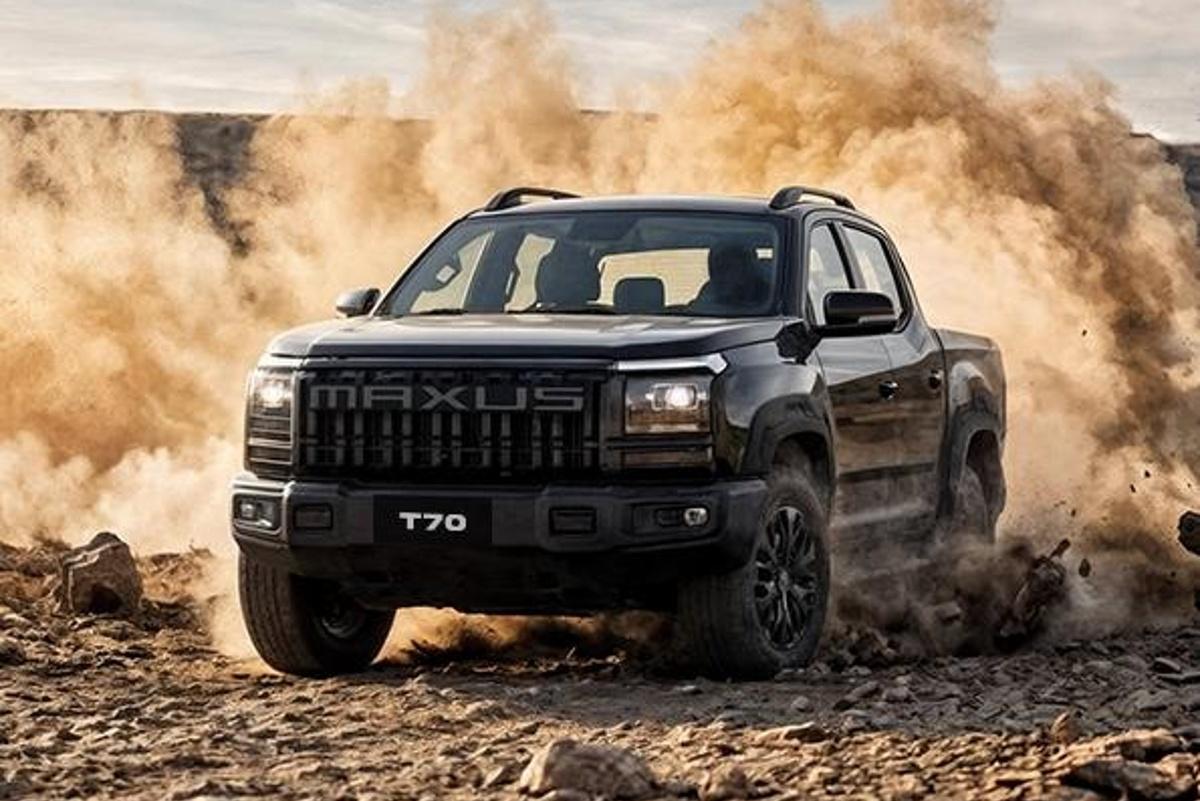
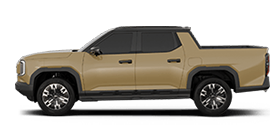
MAXUS T70. Image source: official MAXUS Chile website.
Do not assess the filter by appearance alone. Following the service manual, check seals, the housing and intake ducts for dust leakage. Clear radiator debris after dusty work, avoiding pressure washer jets directly on electrical plugs and seals. Replace filters according to the local manual and authorised service advice.
Mud and Sand Accelerate Brake and Underbody Wear
Mud and fine sand around brakes and chassis components can accelerate wear or damage protective boots at ball joints and driveshafts. During cleaning, check boots for damage, grease leakage and loose connections.
After mud, rinse soil from the underbody, wheel arches and steps with clean water, then check for stones lodged in tyre tread, brakes or guards. Stop work and arrange inspection for pulling, vibration, unusual noise or abnormal brake pedal feel.
Moisture and Salt Test Sealing and Corrosion Protection
Water crossings, rainy seasons and coastal farms expose the underbody to prolonged damp. Water entering connectors, bearings or body joints can cause corrosion, poor contacts and lighting faults weeks or months later. After cleaning, check drainage holes in doors, the tailgate and load bed cover.
Servicing and Inspection in Severe Conditions
Severe use requires inspections suited to the task, rather than simply halving every service interval. Group checks into pre-departure, post-mud/water or dust, post-heavy-towing and scheduled maintenance, recording dates, mileage and faults.
|
When to check |
Key items |
On-site assessment criteria |
|
Before departure each day |
Tyre pressure and sidewalls, lights, fluids, warning lights and load bed latches |
No cuts, bulges or obvious leaks; warning lights off |
|
After each mud/water crossing |
Wheel arches, underbody, brakes, trailer socket and drainage holes |
No trapped mud; no braking pull or unusual noise |
|
After dusty work |
Air filter housing, intake ducts, radiator and condenser |
No dust leakage or blockage; replace filter according to manual |
|
After heavy towing or full loads |
Brake pads/discs, suspension bushes, ball joints, propshaft and tyres |
No cracks, play or abnormal heat; repair before wear limits |
|
Scheduled servicing |
Oil and filters, fuel filter, brake fluid, coolant and diagnostics |
Follow local maintenance manual and authorised service plan |
For heavy loads, short trips and prolonged idling, check T70 engine oil, oil filters and fuel filters under local severe-use requirements. Follow the relevant model year's owner's manual, maintenance manual and authorised service plan for replacement mileage, time and inspection methods.
Also inspect air filter seals, intake ducts and cooling parts, watching fluid levels, oil and fluid leaks and warning lights. Do not delay overdue servicing during busy periods. Stop work for brake, steering or abnormal temperature issues and arrange repair.
A Practical Checklist for Busy Farming Periods
A vehicle stopping in the field is especially disruptive at busy times. Allow ten minutes after work for cleaning and visual checks, plus a fixed weekly underbody and tyre inspection. Mark vehicles as serviceable, requiring an appointment or prohibited from further use. Drivers should photograph faults and record their location immediately, helping technicians prepare parts.
The T70 Luxury 4WD has a braked towing capacity of 3,500 kg and an unbraked towing capacity of 750 kg. Trailer unladen weight counts towards laden trailer mass. Vehicle, trailer, hitch and each axle must meet their own limits, alongside gross train weight.
Tyres are a farm vehicle's only contact with the ground. Choose specifications for load, towing, mud exposure and road mileage, maintaining correct cold pressures. Follow the vehicle label and tyre manufacturer requirements.
Aftersales Support and Vehicle Availability
Before the busy season, use the MAXUS global service network to contact local authorised repairers about bookings, common parts and recovery coverage. Scheduling inspections between jobs helps reduce peak-season disruption from repair waits.
Provide the vehicle identification number, mileage, fault codes, working environment, any water crossings or towing and load at the time of the fault. Complete information helps distinguish clogged filters, underbody damage, brake issues or problems needing further diagnosis.
Include wear parts and downtime risks in procurement, such as air and fuel filters, brake parts, wipers, tyres and trailer socket protection. Remote farms can agree mobile repairs, appointment priorities and backup vehicles with authorised repairers beforehand.
Frequently Asked Questions
Must farm vehicles always have shorter service intervals?
Not every interval should automatically be shortened, but dust, mud, water, frequent short trips, full loads and towing require more frequent checks. Adjust according to local owner's and maintenance manuals and authorised service advice.
How often should the air filter be replaced?
There is no fixed answer for every farm. Dust concentration, working hours and filter condition vary. Follow local manual inspection and replacement procedures.
Can a pressure washer be used to clean mud from the underbody?
Follow manual requirements for pressure and distance. Avoid close-range jets on connectors, sensors, bearing seals, brakes and body seals. Check drainage and trailer sockets afterwards, and confirm normal braking before resuming work.
How heavy a trailer can the T70 Luxury 4WD tow?
Its braked towing capacity is 3,500 kg and its unbraked towing capacity is 750 kg. Actual operation must also meet gross train weight, axle and hitch limits and local regulations.
Can the whole 1,040 kg payload go in the T70 load bed?
No. The 1,040 kg figure is the T70 Luxury 4WD vehicle payload allowance, shared by occupants, accessories, aftermarket equipment and goods. Include trailer tongue weight when towing and check axle limits.
How can I contact an authorised MAXUS service centre?
Choose your region through MAXUS Global's Dealer & Service Network or Contact page to confirm maintenance, parts, warranty and recovery arrangements.
Related Official Links
[1] MAXUS global models and markets: https://en.saicmaxus.com/global.shtml
[2] MAXUS Chile T70 model and images:
https://maxus.cl/w/t70
[3] MAXUS Global Dealer & Service Network (authorised dealers and service network)
https://en.saicmaxus.com/faq/Dealer-Service-Network
[4] MAXUS Global Contact (regional enquiries and business contacts)
https://en.saicmaxus.com/contact.shtml
Contact your local authorised MAXUS dealer for specific model specifications, maintenance intervals, warranty and service arrangements.

automotive editor
contributor, former automotive editor · contributor on electrified vehicles · editor in chief, specialized in Green Car Reports
View anthor’s articlesTalk to a fleet advisor
Leave your contact details and a specialist will follow up within one business day
Request a consultation