










How Can the MAXUS eTERRON9 Support Postal and Parcel Delivery in Remote Areas?
Explore how the all-electric AWD MAXUS eTERRON9 pickup suits remote postal and parcel delivery, covering road access, parcel protection, payload, range planning and charging.
Table of Contents
1. Quick Answer: Which Remote Delivery Routes Could Suit the eTERRON9?
2. What Challenges Does Remote Postal and Parcel Delivery Involve?
3. How Should Road Access Be Assessed Before Delivery?
4. Planning Parcel Protection and Load Bed Compartments
5. How Much Parcel Payload Remains After Fitting a Storage Box?
6. Planning Daily Mileage and Depot Charging
7. Using a Trial to Assess Route Suitability
8. Frequently Asked Questions
9. Sources
Quick Answer: Which Remote Delivery Routes Could Suit the eTERRON9?
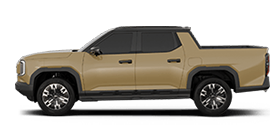
Postal and parcel operators can consider the MAXUS eTERRON9 for remote routes with manageable loads, suitable road conditions and reliable charging. It features dual-motor all-wheel drive, and its open load bed can accommodate a compatible aftermarket lockable load bed storage box or canopy for mail and parcel transport.
The eTERRON9 has a combined peak power output of 325 kW, a 102.2 kWh lithium iron phosphate battery and a combined WLTP range of 430 km.[1]
The Luxury and Premium AWD versions have payload ratings of 650 kg and 620 kg respectively.[1] Vehicle selection should account for both deliveries and en-route collections, as well as the payload used by occupants, an aftermarket storage box and equipment.
For model specifications, visit the MAXUS eTERRON9 global model page.[2]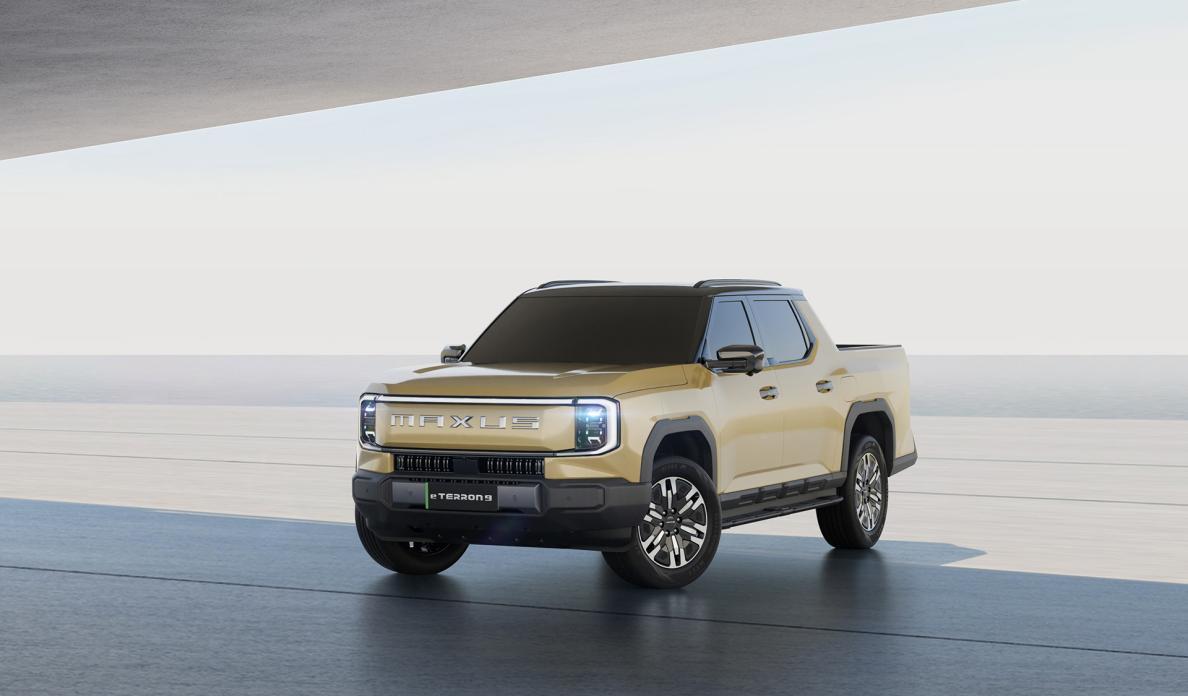
MAXUS eTERRON9. Image source: MAXUS global model page.[2]
What Challenges Does Remote Postal and Parcel Delivery Involve?
Remote delivery routes may serve town and village branches as well as widely dispersed homes. Vehicles may collect parcels on the return journey as well as complete deliveries. Alongside round-trip distance, fleets need to consider road access, parking and parcel retrieval, and the space remaining after collections.
When planning a route, record conditions separately for paved roads, village streets and unpaved sections. Pay particular attention to rainy-season flooding, temporary roadworks, narrow bridges and places with limited turning space. Confirm usable alternatives in advance.
How Should Road Access Be Assessed Before Delivery?
Check access against vehicle dimensions. The eTERRON9 Luxury and Premium AWD versions are both 5,500 mm long and 1,997 mm wide, with heights of 1,860 mm and 1,874 mm respectively and a wheelbase of 3,300 mm.[1] Allow for mirrors, accessories, the turning path and the laden condition when checking clearance.
Assess narrow bridges, village entrance corners, passing places and turning points individually. Enough room to drive straight through does not necessarily mean enough room to turn or pass another vehicle. Delivery stops also need clearance for storage box doors, parcel handling and other traffic. After fitting a canopy or enclosed body, recheck overall height against restrictions along the route.
Assess AWD Pickup Suitability for Local Roads
For mountain roads, gravel and other unpaved sections, assess the eTERRON9's dual-motor AWD capability under actual load conditions. Tyre condition, cargo weight and distribution, driving technique and surface grip all affect performance. Fully laden climbs, slippery bends and soft verges particularly need on-site assessment.
Where water depth, flow or the condition of the road beneath is unknown, use a confirmed safe route. All-wheel drive alone is not enough to establish whether passage is possible. Island routes involving ferries also require advance confirmation of vehicle dimensions, actual gross vehicle weight and the operator's electric vehicle boarding requirements.
Planning Parcel Protection and Load Bed Compartments
Decide on Protection Before Planning Sorting Areas
The eTERRON9 has an open load bed as standard. For letters and parcels, operators can discuss compatible lockable storage boxes, load bed canopies or enclosed bodies with an authorised MAXUS dealer and a qualified converter, according to the local climate and protection needs. Check mounting, openings, sealing and drainage. These are additions requiring separate confirmation, not standard vehicle equipment.
Rain and theft protection depend on body construction, locks, installation quality and maintenance. Before installation, confirm the supplier's operating requirements and local registration, inspection, insurance and warranty conditions.
Arrange Parcels in Delivery Order
Label mail bags and reusable containers by village or route section, placing early deliveries and frequently accessed items within easy reach. Reserve separate areas for signed-for items, returns and en-route collections. Use suitable dividers, containers and restraints to reduce sliding and crushing.
Official specifications list a load bed length of 1,561 mm and a height of 535 mm.[1] When planning a storage box, measure the usable space around wheel arches, liners and openings. Test normal mail bags, containers and parcels to check that they can be loaded, secured and removed easily.
The frunk has a volume of 236 L.[1] Locations for scanning equipment or vehicle supplies can be planned around its internal dimensions, securing arrangements and operating requirements.
How Much Parcel Payload Remains After Fitting a Storage Box?
Fitting a storage box reduces the weight available for mail and parcels. For example, the overseas-market specification sheet lists a maximum payload of 650 kg for the Luxury AWD version and 620 kg for Premium AWD.[1] These figures are not the net cargo allowance remaining after occupants, an aftermarket body and delivery equipment have been deducted.
First establish how kerb weight and maximum payload are defined for the particular version, including whether occupants, standard equipment and aftermarket accessories are already included, to avoid double deductions. After fitting the storage box, liner and sorting equipment, weigh the vehicle and check gross vehicle weight and front and rear axle loads against vehicle limits and local regulations.
If a route combines outward deliveries and en-route collections, check cargo weight and distribution at different stages. Reserve payload and space for collections before departure, then check restraints as the load changes. Do not plan the whole route solely around the departure load.
Planning Daily Mileage and Depot Charging
Use Actual Energy Consumption to Set Shift Length
Combined WLTP range provides an initial basis for comparison, but it is not a guaranteed daily delivery distance. An aftermarket storage box, actual load, ambient temperature, speed, sustained climbing and electrical equipment use can all affect range.
Test the complete route in a vehicle close to its final specification: leave the depot, complete deliveries and collections, and return. Record departure and return state of charge, distance, weather and load weight. Retain an appropriate energy reserve for diversions, extra collections and unexpected events. Measure the benefit of regenerative braking on descents rather than assuming it will fully offset climbing consumption.
Include Charging Time in the Vehicle Schedule
The eTERRON9 has a stated maximum DC fast charging power of 115 kW, with approximately 42 minutes required to charge from 20% to 80%. Maximum AC charging power is 11 kW, with approximately 12 hours required from 5% to 100%.[1] These are reference figures under specified conditions. Actual power and time depend on the charger, electricity supply, battery temperature and state of charge.
Calculate the charging window between the vehicle's return and its next departure. Confirm electricity supply capacity, connector compatibility, parking arrangements and charger maintenance. Where several vehicles share chargers, schedule their charging sequence so the next day's departures are not delayed.
For routes relying on public charging, check station locations, opening hours, charger availability and diversion distances in advance. Arrange a reasonable backup vehicle or alternative delivery plan.
Using a Trial to Assess Route Suitability
Before entering service, test the route with normal loads, heavier consignments and representative weather. Alongside energy use, assess parking and parcel access at each stop, cargo protection and available capacity after collections.
Driver feedback can reveal issues that specifications do not show. A parking point too far from the recipient may require a different handover location; a compartment that requires repeated parcel handling may need a revised layout or retrieval order.
Before procurement, compile route details, typical package dimensions, daily cargo weights and depot power information. Discuss locally available versions, suitable accessories and service arrangements with an authorised MAXUS dealer.
Frequently Asked Questions
Which remote postal routes could suit the eTERRON9?
Start with routes that have suitable roads, manageable daily loads and reliable charging. A trial should confirm whether the vehicle can complete the full delivery and collection round.
Does the eTERRON9 have all-wheel drive?
The Luxury and Premium versions covered here both use dual-motor all-wheel drive.[1] Confirm the locally offered specification with the official MAXUS representative.
How is available parcel payload calculated after fitting a storage box or canopy?
Check the weight of the aftermarket body, occupants and equipment against the vehicle's weight definitions. Weigh the completed vehicle to confirm remaining cargo payload and front and rear axle loads. Include parcels collected during the route.
Does the standard vehicle include an enclosed postal storage box?
Local availability and compatibility of a postal storage box or canopy require separate confirmation, including protection, installation requirements and applicable approvals.
Can the 430 km range be used directly for daily scheduling?
No. This is a combined WLTP range figure. Base daily schedules on measured route energy consumption, covering the round trip and allowing for diversions.[1]
Can the vehicle charge at the depot after returning?
A depot with an appropriate electricity supply and charging equipment can provide charging to suit the vehicle specification. Stated maximum AC charging power is 11 kW; actual charging time also depends on equipment, battery condition and the state of charge on return.[1]
How can local eTERRON9 availability and conversion services be confirmed?
Visit the local MAXUS website or contact an authorised dealer for available versions, specifications, compatible accessories and service support.
Sources
[1] Official MAXUS eTERRON9 product specifications (Luxury / Premium AWD versions, release V1, pages 3, 21, 25, 27, 32 and 93–96).
[2] MAXUS eTERRON9 global model page and image source: https://en.saicmaxus.com/car/eTERRON9.shtml
[3] MAXUS eTERRON9 official global overseas-market specifications: https://en.saicmaxus.com/uploads/month_202411/files/c63b9093a778f78467098ad3196898c8.pdf

automotive editor
contributor, former automotive editor · contributor on electrified vehicles · editor in chief, specialized in Green Car Reports
View anthor’s articlesTalk to a fleet advisor
Leave your contact details and a specialist will follow up within one business day
Request a consultation