




How Does MAXUS Support Fleet Purchasing and Operations at Scale?
Learn how MAXUS draws on SAIC Motor's R&D and manufacturing, a broad vehicle range, local fleet services and data to support bulk procurement, phased delivery, charging and maintenance.
Table of Contents
1. Quick Answer
2. How Procurement Needs Change as a Fleet Grows
3. How SAIC Motor Supports MAXUS R&D and Manufacturing
4. Establishing Consistent Vehicle Specifications for Different Roles
5. Planning Pilot Operations and Phased Delivery
6. Planning Charging Alongside an Electric Fleet
7. Using Aftersales Support and Vehicle Data in Daily Operations
8. Assessing Fleet Total Cost of Ownership
9. Conclusion
10. Frequently Asked Questions
11. Related Official Links
Quick Answer
MAXUS supports fleet procurement and operations through vehicles for different applications, SAIC Motor's industrial and technical resources, and local sales and aftersales channels. Businesses can choose vehicles separately for goods transport, field services and passenger transfers, then incorporate specification, delivery, charging and maintenance into one procurement plan.
In March 2024, the one-millionth vehicle rolled off the production line at the MAXUS Wuxi manufacturing base.
In September 2025, FedEx announced the deployment of 41 MAXUS eDELIVER3 vans in Malaysia for parcel collection and delivery.
Specific models, delivery batches, conversions and service coverage should be confirmed with the local authorised MAXUS representative against operational requirements. Before expanding, use representative route trials to verify that the vehicles and supporting facilities can meet the work requirements together.
How Procurement Needs Change as a Fleet Grows
A service business may initially buy a few vehicles for one branch, then add regional warehouses, repair teams and staff shuttle shifts. As vehicle numbers increase, procurement extends across departments: operations needs vehicles ready on time, purchasing needs clear specifications and delivery milestones, and finance needs to compare whole-life expenditure.
Tasks can vary widely within one business. Urban service vehicles need easy parking and tool access; warehouse transfers prioritise cargo volume and loading conditions; field teams may need an open load bed or approved towing capacity; passenger services must check seating and luggage space. Applying the same maximum figures to every role can leave some vehicles short of space and others persistently underused.
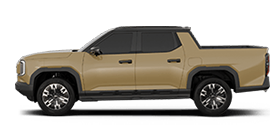
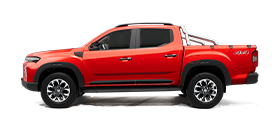
MAXUS vans, pickups and MPVs give businesses a basis for role-specific standards. Procurement at scale turns recurring requirements into repeatable specifications, providing a clear reference as branches and vehicles are added.
How SAIC Motor Supports MAXUS R&D and Manufacturing
Understanding Group Technology Resources
MAXUS is an automotive brand of SAIC Motor. The group's activities cover vehicle development, manufacturing and sales, as well as powertrains, chassis, batteries, electric drive and electronic control, providing industrial and technical resources for MAXUS product development.
Businesses can assess how these technologies serve specific tasks: battery capacity affects range and vehicle weight, body layout affects loading and parking, and driver assistance should be experienced on the intended routes and in the relevant driving conditions. Base purchasing decisions on the actual performance of the version being considered.
SAIC Motor's international operations also cover R&D, sales, logistics, parts, manufacturing and finance. For procurement across regions, businesses can work with local MAXUS teams to arrange type approval, vehicle transport, handover and aftersales separately in each location.
Bringing Manufacturing Experience into Delivery Assessment
Wuxi's one-million-vehicle production milestone reflects MAXUS manufacturing experience. Bulk orders still require a delivery plan covering the specific configuration, production batches, transport and local type approval.
For example, a business adding service vehicles in several cities needs arrival dates coordinated with branch openings, driver training and charger commissioning. Contracts should specify each batch's versions and acceptance criteria so manufacturing, delivery and business launch follow the same timetable.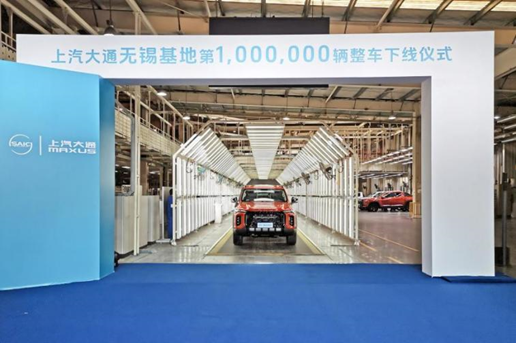
The one-millionth vehicle produced at the MAXUS Wuxi base. Image source: MAXUS.
Establishing Consistent Vehicle Specifications for Different Roles
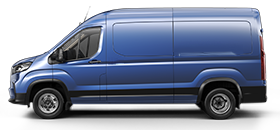
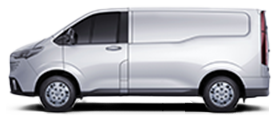
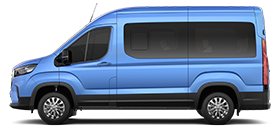
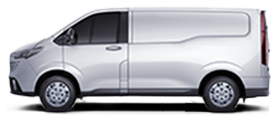
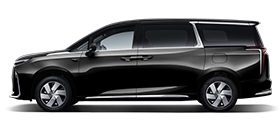
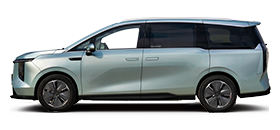
Before setting vehicle standards, document daily mileage, cargo dimensions and weight, occupants, parking restrictions and charging or refuelling conditions for each role. The MAXUS line-up includes eDELIVER3, 5, 7 and 9 electric vans, DELIVER7 and 9 diesel vans, pickups and MPVs, allowing different vehicles to be assigned by purpose. Actual availability depends on local models on sale.
Match Body and Powertrain to the Task
For delivery or service duties with a fixed return-to-depot window, assess locally available eDELIVER models. Different bodies for bulky goods and urban tool transport can form a mixed fleet. For long-distance work, variable routes or locations with limited charging, assess the DELIVER range according to local availability. Check suitable pickup and MPV specifications separately for engineering supplies and passenger transport.
Procurement standards should specify body, battery, drive system, permitted gross vehicle mass and seating, so load space, payload, range and towing requirements all relate to the same delivered vehicle. Once the first specification is confirmed, later branches can use it as a standard, adapting it for route differences.
Include Conversion Requirements in the Initial Order
Determine racking, partitions, refrigeration and specialist bodies before ordering where possible. MAXUS UK conversions include tippers, combined passenger and cargo vehicles, and low-floor box bodies. Use these applications as references, then confirm approvals and delivery arrangements locally.
For service vans, tool and spare-part storage locations can form part of a standard. Temperature-controlled vehicles also require checks for equipment weight, power demand and usable space after conversion. Include all added equipment, occupants and goods in weight calculations, checking axle limits and remaining payload for the specific converted version.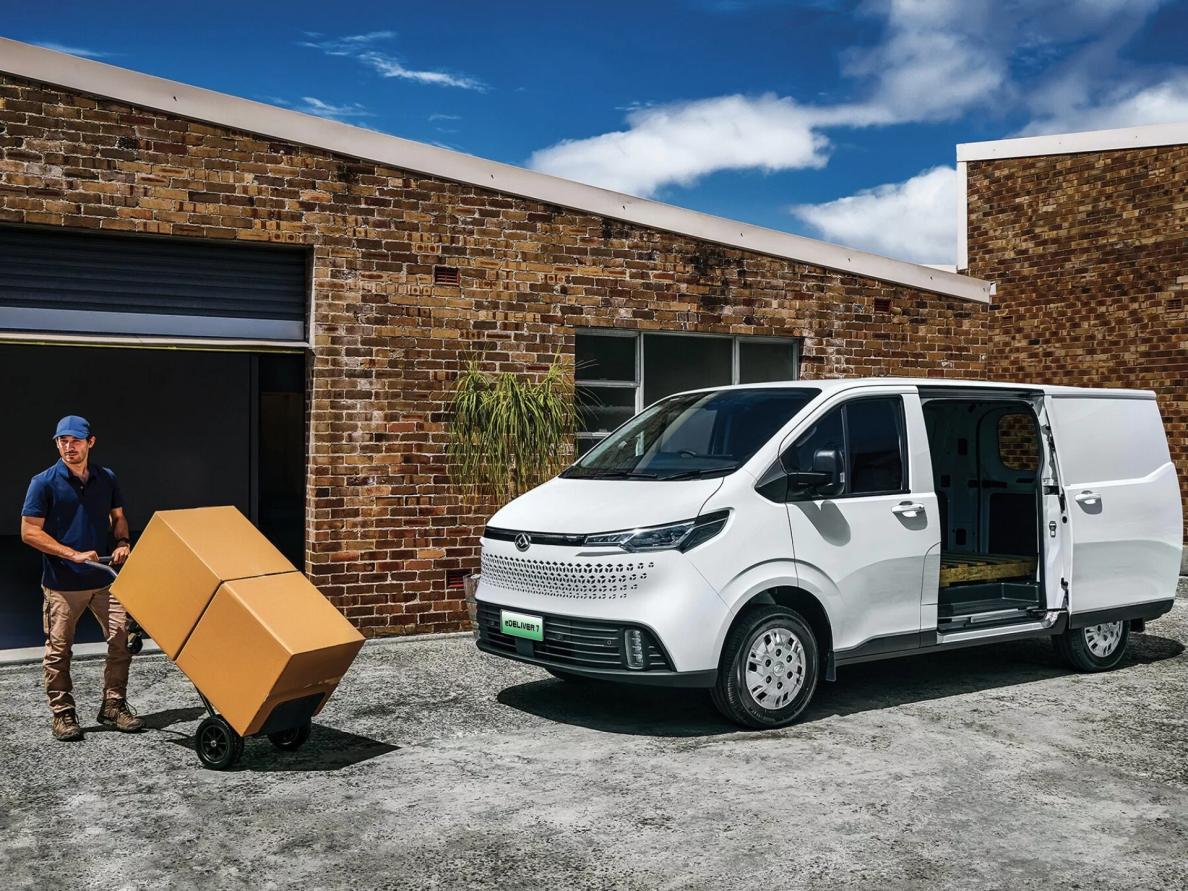
MAXUS eDELIVER7 loading and unloading. Image source: MAXUS.
Planning Pilot Operations and Phased Delivery
Start with representative roles. A service business could trial an urban route, an interdistrict route and a shift carrying heavier equipment, recording energy consumption, loading time, driver feedback and state of charge on return. Test vehicles should be as close as possible to their final specification, with actual tools, racking and everyday cargo.
After the pilot, confirm specifications by role and discuss phased delivery locally. Handover checks should cover version and equipment consistency, documents, keys, charging accessories, connected-vehicle accounts and driver training. Converted vehicles also require the relevant documentation and final weight data.
Phased deployment helps manage operational transition. After the first vehicles enter service, check whether specifications need adjustment before confirming later batches. Record specification changes and the batches affected, avoiding identical-looking vehicles with different equipment across branches. Test drives, handover and training depend on the local support plan.
Planning Charging Alongside an Electric Fleet
As a business moves from a few EVs to multiple depots, design charging alongside vehicle procurement. Establish when vehicles return, how much energy they need, how long they park, how many can charge together and whether the site's electrical supply is adequate.
Alongside deploying 41 MAXUS eDELIVER3 vans in Malaysia, FedEx installed 41 AC and DC charging stations at strategic local locations in 2025. Coordinating vehicles and infrastructure offers a reference for electrification rollout, but charger numbers and power should still be determined by the fleet's own shifts.
Plan charging around actual schedules and electrical capacity. Vehicles parked overnight for long enough can use AC charging; tight turnaround schedules require assessment of DC charging. The vehicle's maximum charging power is only one factor. Battery temperature, state-of-charge window, charging equipment and site power allocation also affect replenishment.
Official MAXUS UK fleet support includes charging infrastructure advice. Ask the local representative whether comparable support is available, and confirm responsibility for site design, installation, operation, maintenance and faults before ordering.
Using Aftersales Support and Vehicle Data in Daily Operations
Match Service Coverage to Operating Areas
Vehicle availability depends on service coverage where the fleet actually works. The official MAXUS UK aftersales page describes authorised repairers, trained technicians, genuine parts and maintenance support, and lists local roadside assistance contacts. Businesses buying elsewhere should check the corresponding local arrangements.
Map vehicle bases and routes against authorised service locations, then confirm booking, repair turnaround, parts ordering and breakdown contacts. Multi-city fleets should also agree how branches and headquarters receive repair updates, reducing dispatch delays caused by missing information.
Warranty and roadside assistance depend on the market, model and contract. Confirm that vehicle use, annual mileage, conversion equipment and maintenance meet the terms, and separately agree replacement transport during downtime where needed.
Use Vehicle Data to Improve Maintenance and Dispatch
Official MAXUS UK information describes MAXUS Intelligence and vehicle data covering energy use, charging, location and driving behaviour. Local aftersales information also lists mileage- or time-based maintenance reminders and fault-code functions. Confirm eligible models, accounts, subscriptions and data permissions under the local offering.
Vehicle data helps managers act: steadily rising energy use on one route can prompt checks of loading, driving or vehicle condition; approaching service dates allow advance schedule changes; low return charge calls for route and charging reviews. Combine monitoring with driver feedback, physical inspections and local data protection requirements.
Assessing Fleet Total Cost of Ownership
Compare bulk procurement plans in the same market over the same operating period and workload. Beyond acquisition and finance, include conversion, chargers, energy, insurance, taxes, maintenance, tyres, downtime and end-of-term value. Cost comparison is meaningful only when the specifications meet the work requirements.
Estimate electric fleet energy costs from pilot records. Charging bills capture purchased electricity and charging losses; vehicle-side consumption requires a separate loss allowance. Include diversions to chargers, public DC fast charging and backup vehicles in the budget.
As the fleet expands, track each vehicle's available days, unscheduled repairs, energy consumption and task completion. Compare results with procurement assumptions to decide whether the next batch should retain the specification or change bodies, batteries and role allocation.
Conclusion
MAXUS support for fleet purchasing and operations at scale rests on SAIC Motor backing, a versatile vehicle range, manufacturing experience and local channel services. Businesses can translate role requirements into clear specifications, then expand through trials, phased delivery, charging infrastructure and maintenance management.
When preparing procurement, use the MAXUS global market portal to contact official representatives in the destination country. Submit vehicle purposes, operating locations, planned numbers and delivery dates so the local team can confirm a practical vehicle and service plan.
Frequently Asked Questions
What is MAXUS's relationship with SAIC Motor?
MAXUS is an automotive brand of SAIC Motor, drawing on group resources in vehicles, key components, supply chains and international business for R&D, manufacturing and market services.
Can a business procure vehicles for different applications through MAXUS?
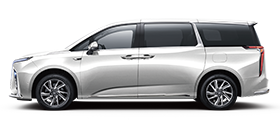
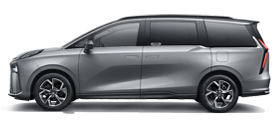
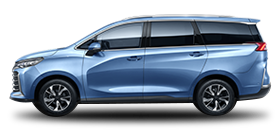
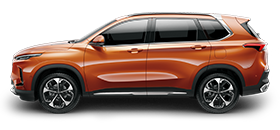
The MAXUS portfolio covers vans, pickups, MPVs and SUVs. Assess models for freight, field services or passenger transport, with actual availability confirmed through official local channels.
What information is needed before a bulk purchase?
Prepare operating countries and cities, vehicle numbers by role, daily mileage, cargo or passenger needs, conversions, charging conditions and planned delivery dates so local teams can assess specifications and support.
Does MAXUS offer fleet services and charging advice?
MAXUS UK provides fleet customer support, vehicle data and charging infrastructure advice. Ask local authorised representatives about services and eligibility elsewhere.
Are all electric vans suitable for the same routes?
Body, battery, drive system and payload affect performance. Use a vehicle close to its final specification to validate consumption, loading, parking and charging on representative routes.
Are MAXUS warranty and roadside assistance terms the same worldwide?
Terms depend on country, model and contract. Check local warranty documents, assistance coverage, maintenance requirements and responsibility for conversion equipment.
Are there examples of MAXUS electric business fleets?
Yes. In September 2025, FedEx announced 41 MAXUS eDELIVER3 vans in Malaysia for parcel collection and delivery, alongside charging station development.
Related Official Links
[1] MAXUS official brand introduction: https://en.saicmaxus.com/about.shtml
[2] MAXUS Wuxi one-millionth vehicle announcement, 7 March 2024: https://en.saicmaxus.com/news/884
[3] FedEx announcement of 41 electric delivery vans in Malaysia, 18 September 2025: https://newsroom.fedex.com/newsroom/asia-english/fedex-advances-sustainability-drive-in-malaysia-with-the-deployment-of-41-electric-delivery-vans
[4] SAIC Motor Glocal international strategy announcement, 23 April 2025: https://www.saicmotor.com/english/latest_news/saic_motor/61621.shtml
[5] MAXUS global markets and official local representatives: https://en.saicmaxus.com/global.shtml
[6] MAXUS UK official conversions and fleet support: https://www.saicmaxus.co.uk/conversions/
[7] MAXUS eDELIVER7 global model page and loading image source: https://en.saicmaxus.com/car/edeliver7.shtml
[8] MAXUS UK official aftersales and services: https://www.saicmaxus.co.uk/services/
[9] MAXUS UK eDELIVER9 models and vehicle data functions: https://www.saicmaxus.co.uk/our-range/new-vans/edeliver-9/

Director
Automotive and motorsport author, editor, presenter, like raising cars, and outdoor sports and driving.
View anthor’s articlesTalk to a fleet advisor
Leave your contact details and a specialist will follow up within one business day
Request a consultation