
Choosing Resort and Ski-Area Shuttles: MAXUS MIFA9 Seating, Luggage and Winter Scheduling
Explore MAXUS MIFA9 seven-/eight-seat layouts, luggage trials, winter charging and passenger transport costs for resort, hotel and ski-area shuttles.
Table of Contents
1. Quick Answer: Specify the Shuttle Around Passengers and Luggage
2. Seating Compliance: Distinguish Passenger Seats from Total Seats
3. Carrying Ski Equipment and Luggage Together
4. Frequent Low-Speed Shuttles: Range, Heating and Charging Schedules
5. Calculating Passenger Transport Costs and Fleet TCO
6. Frequently Asked Questions
7. Related Official Links
Quick Answer: Specify the Shuttle Around Passengers and Luggage
For resort and ski-area shuttles, check passengers per trip, luggage and equipment dimensions, and consecutive winter operating hours together. The MAXUS MIFA9 offers seven- and eight-seat layouts for assessment on hotel-to-interchange and fixed resort routes. Both seat totals include the driver.
The MIFA9 has a 90 kWh battery, seven seats (2+2+3) or eight seats (2+3+3), and an NEDC range of 540 km. Both layouts include the driver; assess the configuration against group size and accompanying luggage.
Groups exceeding one vehicle's passenger capacity can be split across trips or vehicles, taking bulky luggage into account. Schedule using the seats that can actually be used safely, with separate space for passengers and equipment.
Seating Compliance: Distinguish Passenger Seats from Total Seats
The MIFA9 uses front-wheel drive. The seven-seater carries up to six passengers and the eight-seater up to seven passengers. Record driver, passengers and bulky luggage separately to avoid allocating passengers against total seat count.
Verify driving qualifications and commercial shuttle permits locally. Include approved seating, permitted gross vehicle mass, driver qualifications and whether fares will be charged in the purchasing acceptance checklist.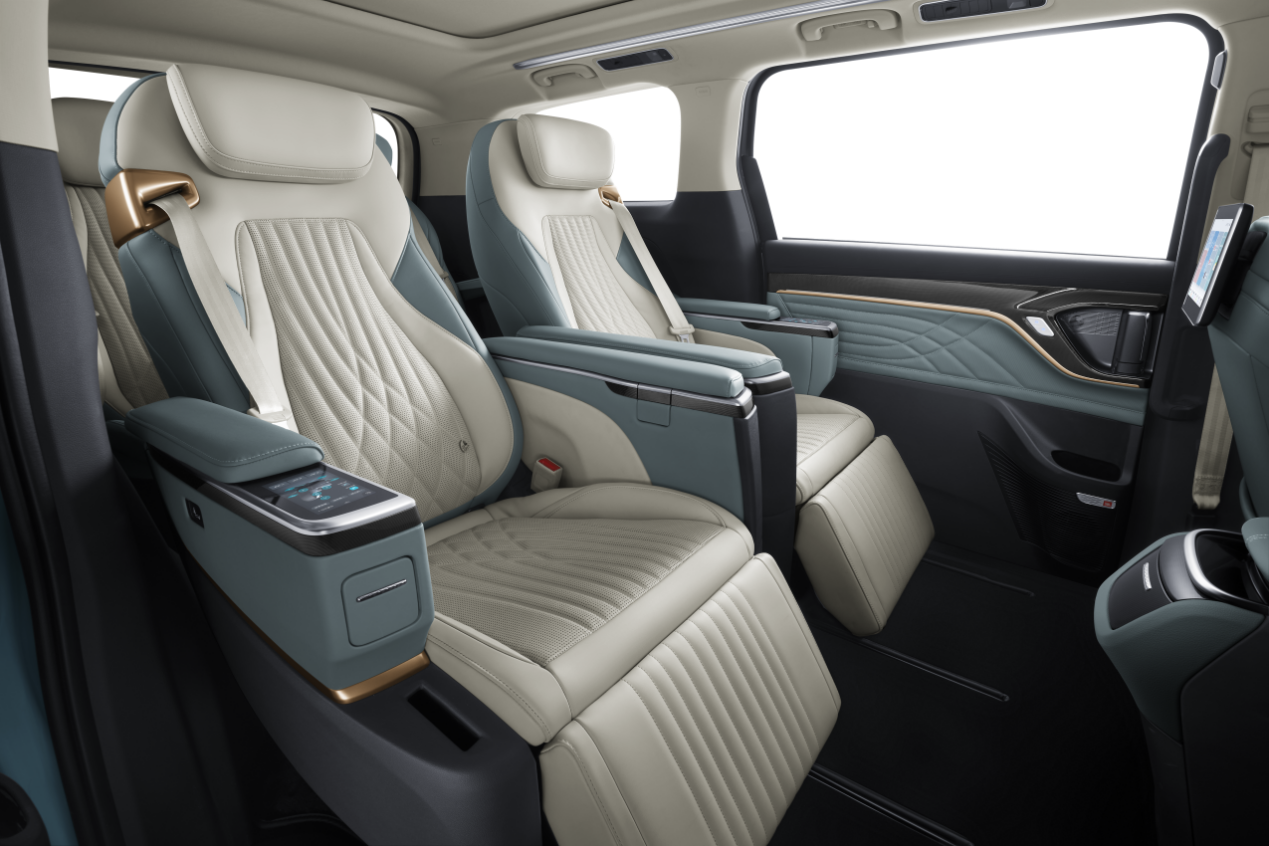
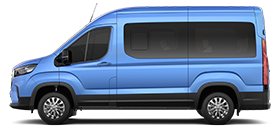
MAXUS MIFA9 seating illustration. Seat numbers and luggage space depend on the corresponding market specification.
Private resort roads and public roads may have different rules. Commercial shuttles, insurance and accessibility equipment also have their own requirements. Conversions involving fixed seats, luggage racks or wheelchair lifts require appropriate approval.
When buying electric passenger vehicles, check permitted gross vehicle mass, approved seats and the weight allowance for passengers and luggage. Added seating, wheelchair lifts and luggage racks use that allowance; seat count alone does not establish fully laden capability.
Carrying Ski Equipment and Luggage Together
Peak ski shuttle demand involves more than fitting suitcases: ski length, boot bags, boarding speed and whether luggage handling blocks access also matter. Trial the largest regularly used suitcases, ski bags and equipment cases in a real loading exercise.
The MIFA9 measures 5,270 × 2,000 × 1,840 mm with a 3,200 mm wheelbase. Stop design must allow not just parking length but sliding doors, waiting passengers and equipment handling. Test ski fit in the actual luggage area with the intended securing arrangements.
Load ski bags, boot bags and cases in the busiest-trip combination, recording how many passenger seats remain available. Secure long equipment against movement under hard braking. Folding seats for luggage requires a corresponding reduction in passengers.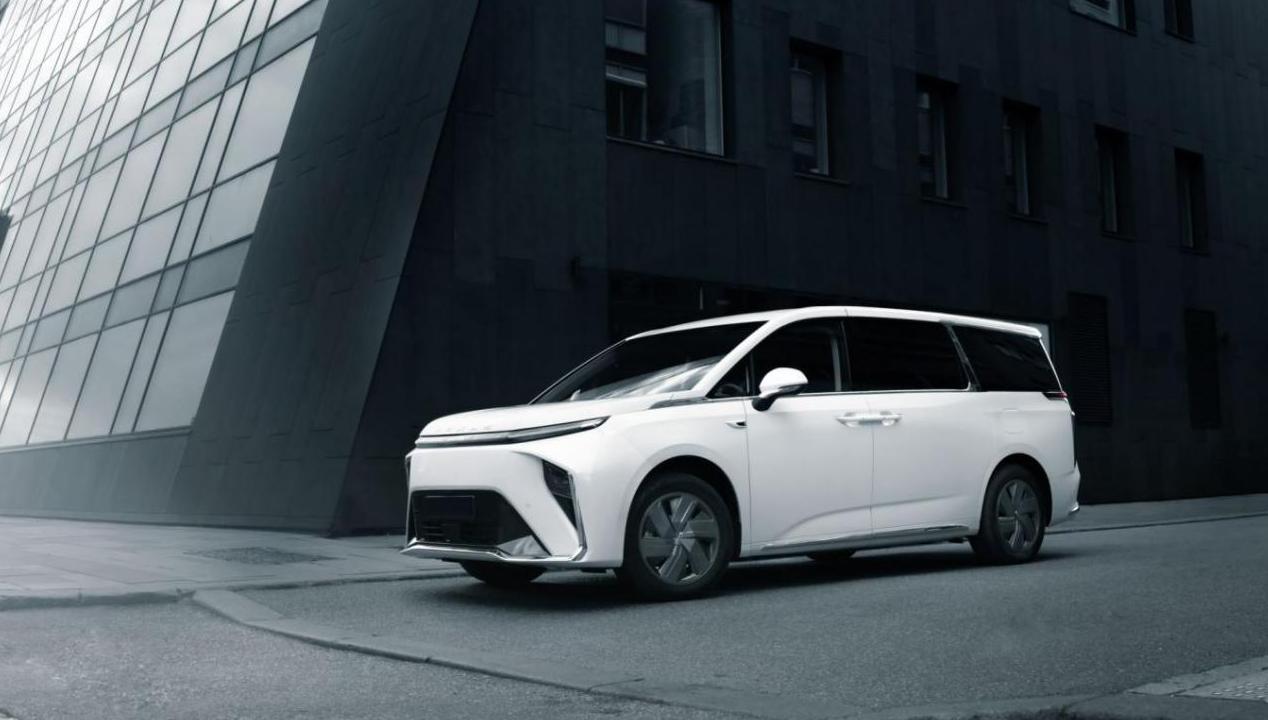
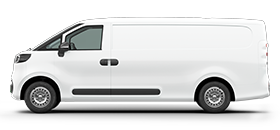
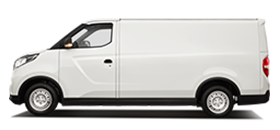
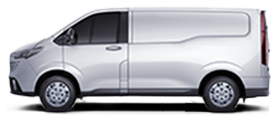
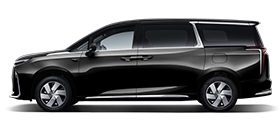
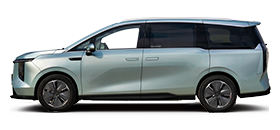
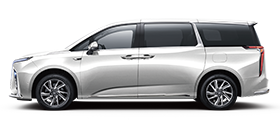
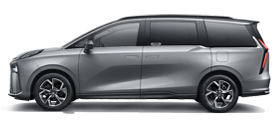
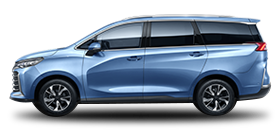
MAXUS MIFA9 exterior. Image source: MAXUS.
Frequent Low-Speed Shuttles: Range, Heating and Charging Schedules
Resort and ski routes are often short, but stops, door opening, boarding and climate control recur frequently. Cold temperatures and gradients add energy demand. Tests should cover morning and evening peaks and longer waiting periods.
The 540 km NEDC figure gives an initial indication of capability. Plan winter shifts around local temperatures, heating, gradients, frequent door opening and full passenger and luggage loads. Link the first departure, midday charging and evening return into a complete plan rather than judging capability solely by daily distance.
During procurement trials in the intended season, record each trip's starting and return charge, distance, outdoor temperature, cabin temperature setting, gradients, waiting time and occupants. If the specification supports preheating or precooling, condition the cabin while plugged in. Arrange return-to-base charging windows and backup vehicles for cold-weather peaks.
Record shift electricity consumption, distance and actual passengers to calculate energy per 100 km and per passenger-kilometre separately. Frequent waiting also requires its own time log to show the effects of heating and auxiliary equipment.
Calculating Passenger Transport Costs and Fleet TCO
Compare seating layouts by the transport service actually delivered, rather than nominal range or seats. Calculate cost per passenger journey as follows:
Cost per passenger journey = (shift energy cost + driver labour + depreciation or leasing + maintenance, insurance and tyres + allocated charging infrastructure cost) ÷ actual passenger journeys completed during the shift.
For differing passenger distances: cost per passenger-kilometre = total shift operating cost ÷ the sum of distances actually travelled by all passengers. Empty seats are not completed passenger transport.
Record winter peaks, weekdays and weekends separately, covering actual occupancy, empty running, equipment space and charging stops. If skis or luggage occupy otherwise usable seating space, reduce passenger numbers accordingly. Equipment must not obstruct seat belts, passageways or visibility.
TCO should also include acquisition or leasing, chargers, electricity, maintenance, insurance, tyres, peak-season backups, downtime and residual value. Calculate electricity costs and operating savings from local measured fleet data, rather than importing another market's prices or emissions figures.
Frequently Asked Questions
Which seating layouts does the MIFA9 offer?
Seven seats in a 2+2+3 layout and eight seats in a 2+3+3 layout, both including the driver. Confirm locally available versions with an authorised MAXUS dealer.
What is the MIFA9's range?
The 90 kWh version has an NEDC range of 540 km. For ski areas and winter resorts, plan charging around cold, heating, slopes and continuous shuttle work, confirming the reserve through local shift tests.
How much luggage fits with every seat occupied?
Check the chosen layout and actual luggage. Ski bags, pushchairs and hard cases have different shapes. Test the usual full-passenger combination and ensure secured items do not block passenger access.
Can a full passenger load still be scheduled if skis occupy seating space?
No. Allocate passengers against approved seats that can actually be used safely and secure equipment appropriately. Split trips or add a vehicle where needed. Skis and luggage must not occupy passenger passageways.
How can transport cost per passenger be estimated?
Add vehicle energy, labour, leasing or depreciation, maintenance, insurance, tyres and charger costs, then divide by completed passenger journeys. Use passenger-kilometres where distances differ.
Related Official Links
[1] MAXUS MIFA9 official model information:
https://en.saicmaxus.com/car/mifa9.shtml

automotive editor
contributor, former automotive editor · contributor on electrified vehicles · editor in chief, specialized in Green Car Reports
View anthor’s articlesTalk to a fleet advisor
Leave your contact details and a specialist will follow up within one business day
Request a consultation