
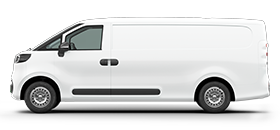
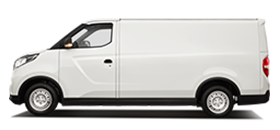
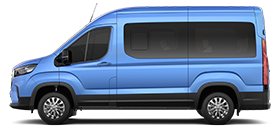
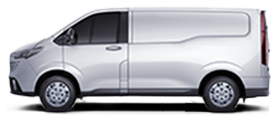
How Does MAXUS Meet Specialist Vehicle Needs Across Industries?
From service tool compartments and landscaping tipper bodies to equipment transport, technical team travel and business transfers, explore how MAXUS body styles, local specialist conversions and electric features meet the vehicle needs of specific business roles.
Table of Contents
1. Quick Answer
2. Organising Tools and Spare Parts for Repair Services
3. Loading and Unloading for Landscaping and Facilities Maintenance
4. Moving Equipment for Installation and Event Services
5. Carrying On-Site Technical Teams and Their Equipment
6. Configuring the Cabin for Business Transfers and Specialist Passenger Transport
7. Turning a Work Checklist into a Vehicle Specification
8. Frequently Asked Questions
9. Sources
Quick Answer
MAXUS offers a range of body styles and local specialist conversions to help businesses configure vehicles around specific jobs. Repair teams can consider bodies with roller-shutter compartments; landscaping services can assess dropside and tipper bodies; equipment transport operators can explore larger box bodies. For passenger transport, the options include a Crew Van, MPV or minibus, depending on the task.[1][2][3]
Specialist vehicle options: the official MAXuse conversion range in Belgium includes roller-shutter bodies, dropsides, tippers, minibuses and accessible transport solutions.[2]
Carrying people and equipment together: the official UK range includes the eDELIVER9 Crew Van, providing a specific example of a vehicle configured for both a team and its cargo.[3]
A specialist vehicle should keep people, tools and goods in the right places, with access, handling and handover arranged around the sequence of work. Businesses can start by describing a complete job to their local authorised MAXUS dealer, then select a suitable base vehicle, body and equipment.
Organising Tools and Spare Parts for Repair Services
Equipment repair, HVAC servicing and telecommunications maintenance teams often need to start work as soon as they arrive at a customer's site. Frequently used tools buried deep in the load area, or replacement parts mixed with items awaiting repair, can interrupt the job. Vehicle planning should begin with how tools are removed, where they go after use and where additional spare parts will be stored.
Arrange Storage Around the Repair Sequence
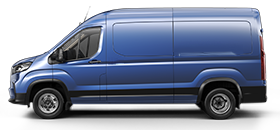
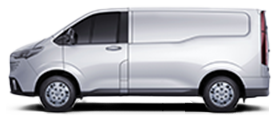
Teams that need to transport equipment in an enclosed space can start with MAXUS eDELIVER or DELIVER panel vans.[1] The load area can follow the repair process: frequently used hand tools near an access point, separately protected diagnostic equipment, spare parts grouped by purpose, and approved securing and handling arrangements for heavier equipment.
For example, an air-conditioning technician may need diagnostic instruments first, then hand tools and finally replacement components. Arranging storage in this order avoids repeatedly moving other items to reach a regularly used case. Cleaning supplies, used components and packaging also need designated places to keep the return load organised.
Use Vehicle Power for On-Site Work
The global eDELIVER7 and eDELIVER9 model pages both list Electric Power Take-Off (ePTO) and Vehicle-to-Load (V2L) functions.[4][5] For teams using power tools, diagnostic instruments or lighting at customers' premises, these features can reduce reliance on a site power supply. Available power and connections vary by version.
Consider Roller-Shutter Compartments for External Access
The official MAXUS MAXuse conversion range in Belgium includes a roller-shutter body based on the eDELIVER3 chassis cab.[2] This offers an alternative layout for businesses that need to access separate equipment compartments from outside the vehicle. The compartments and internal fittings should be specified around the work involved.
Bring everyday toolboxes when assessing a vehicle. Check whether openings allow easy handling, shelves accommodate the equipment, and there is enough clearance to open compartments at regular work sites. Roadside teams should also consider which side provides the most suitable access and arrange appropriate handling aids for heavier equipment.
Service vehicles often gain equipment as the business changes. Leave reasonable scope to adapt the storage layout.
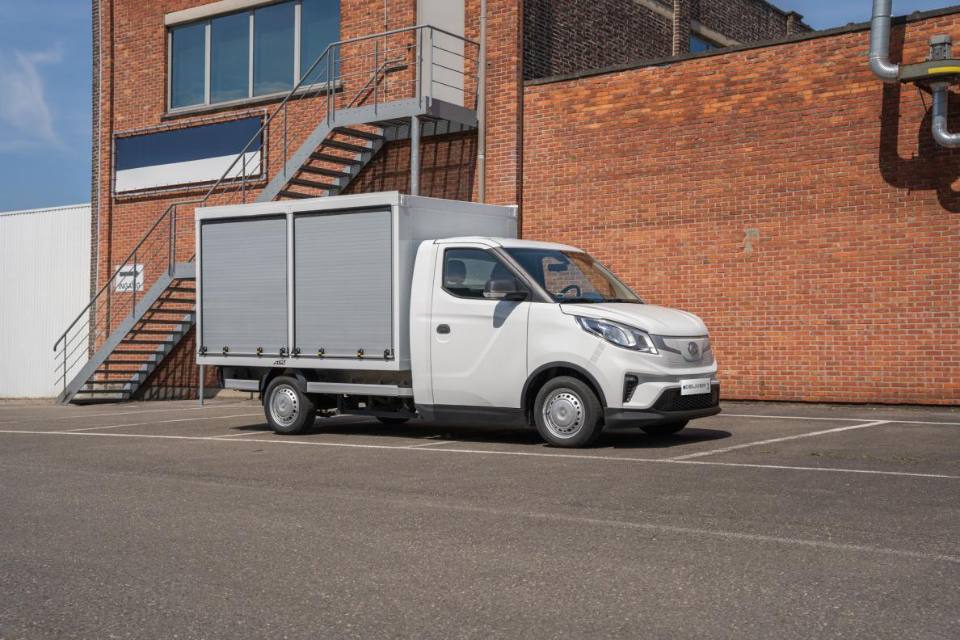
eDELIVER3 roller-shutter body shown by MAXuse in Belgium. Equipment and availability depend on local specifications. Image source: official MAXUS Belgium website.[2]
Loading and Unloading for Landscaping and Facilities Maintenance
Loads change between landscaping and facilities maintenance shifts. The outward journey may carry tools, plants and materials, while the return journey brings back cuttings, leftover materials and used equipment. The vehicle layout needs to accommodate both, with tool storage considered separately from material loading and unloading.
Match the Body to the Handling Method
The official MAXUS UK conversions page features the DELIVER 9 Tipper and describes its construction and landscaping applications.[3] Belgium's MAXuse range also includes dropside bodies and tippers with a materials and tool storage box.[2] Businesses can assess the need for side loading, rear access or tipping against the items they handle each day.
Where workers load and unload bagged materials manually, check the loading height and handling route. Where machinery is used, explain the loading method to both the vehicle and body suppliers. Tipping operations also require a suitable site, unloading area and operating conditions, as specified by the body manufacturer.
Separate Tools from Collected Materials
A body with dedicated tool storage is worth considering when tools need frequent access but materials are loaded and unloaded in bulk. Discuss whether storage boxes could obstruct body operation, how wet or dirty materials will be cleared after work, and how equipment will be unloaded back at base.
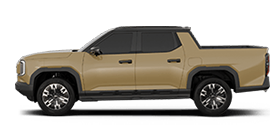
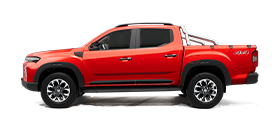
Teams needing an open load bed can also consider MAXUS pickup trucks, such as the all-electric eTERRON9 and the T90 range.[1] Body selection should reflect everyday loading methods, the number of occupants and the protection goods require. A loading trial based on a real shift can confirm that outward supplies fit and return items also have suitable places.
Moving Equipment for Installation and Event Services
Event equipment rental companies, furniture installers and commercial fit-out suppliers often carry awkwardly shaped or delicate equipment. Large transport cases, display components and wheeled equipment place different demands on a vehicle: some need greater load length, others a taller door opening, and others an unobstructed route for rolling equipment in and out.
Measure Equipment Before Choosing the Body
First record the external dimensions of the largest equipment carried regularly, including protective packaging, transport cases and securing devices. The global MAXUS eDELIVER7 and eDELIVER9 model pages list maximum cargo volumes of 8.7 m³ and 12.3 m³ respectively.[4][5] These range-wide maximum figures help establish the available size options; the doors, load area shape and usable dimensions still need checking for the specific version.
An exhibition kit, for example, may include long frames, fragile panels and toolboxes. Decide where each item will be secured before loading, then arrange access around the installation sequence. The load-out sequence after an event may differ from the outward journey, so allow space for protective materials and temporary packaging too.
Consider a Luton for a Separate Large Box Body
The official MAXUS UK website features the eDELIVER9 Low Floor Luton conversion for delivery and equipment transport applications.[3] Businesses needing a separate large box body can assess this alongside a standard panel van. Confirm volume, openings, floor height and payload after conversion for the version to be delivered.
For wheeled equipment, walk through the full movement from warehouse to vehicle and from vehicle to site. If a ramp or lifting device is needed, specify a suitable technical solution and check compatibility between the equipment and the handling aid.
Protection in transit also affects the layout. Fragile items may need dedicated padding and anchorage points; heavier equipment must be positioned in accordance with vehicle and body requirements. Checking these details before choosing a model ensures that the space suits everyday equipment, rather than relying on cargo volume alone.
Carrying On-Site Technical Teams and Their Equipment
Commissioning, installation and inspection jobs often involve several technicians working together. The team needs to arrive with the instruments, tools and spare parts required. When selecting a vehicle, establish where the equipment will go with every occupant seated, and whether it will affect entry and exit.
A Crew Van Layout for People and Cargo
The official MAXUS UK website features the eDELIVER9 Crew Van with seating for up to nine people while retaining a substantial load area, providing an option for businesses transporting both people and equipment.[3] Assess its seating and cargo layout against the team's combined transport requirements.
The layout should allow people and equipment their own space. Regularly used items need to be accessible, while luggage and tools must not obstruct passageways. Unused cabin space does not authorise additional seats or a change of use: seating, load separation and restraints must follow the approved configuration.
Check Space with the Full Team on Board
An installation team may leave with test instruments, parts cases and personal protective equipment, then return with replaced components. Rehearse the journey with the largest regular team, everyone seated and the usual equipment loaded, then check access to equipment and the ease of getting in and out.
A shift with fewer people and more equipment may need a different layout from one carrying a larger team with lighter kit. Listing these requirements separately helps establish whether a Crew Van is suitable or whether people and equipment should travel in separate vehicles.
Configuring the Cabin for Business Transfers and Specialist Passenger Transport
Hotel transfers, corporate visitor transport and specialist passenger services should start with the passenger journey. Pick-up locations, boarding arrangements, accompanying belongings and preparation time between trips all affect suitability. Distinguish business travel, group transfers and assisted boarding needs before selecting the model and cabin layout.
Assess Passenger Space Together with Luggage
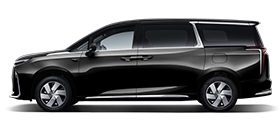
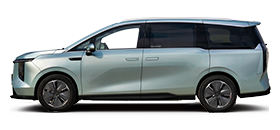
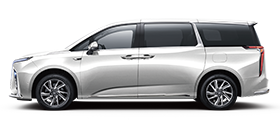
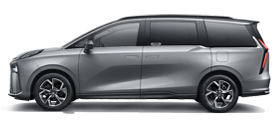
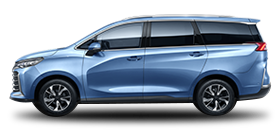
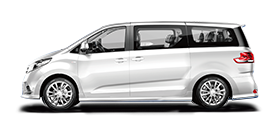
The MAXUS MIFA7 and MIFA 9 provide battery-electric MPV options for business transfers.[1] The MIFA7 has electric sliding doors on both sides, each with an opening approximately 710 mm wide to aid boarding and alighting.[6] Let passengers try getting in and out, then check whether everyday bags fit with all intended seats occupied.
Hotel-to-airport journeys may involve several large suitcases, whereas corporate campus transfers may mainly carry small bags. The same passenger count does not mean the same luggage requirement. Test the usual combination of passengers and bags, and ensure the driver has enough room to load and unload them.
Specify Minibus and Accessible Transport Solutions Around Passengers
Belgium's official MAXuse page lists eDELIVER9 minibus and accessible transport conversions.[2] These provide options to explore for businesses carrying groups or assisting passengers with boarding. Models, seating and assistance equipment depend on local approval and availability.
For wheelchair users, explain the number of passengers and accompanying people, wheelchair dimensions and the actual boarding process to the local supplier. Then confirm suitable access equipment, restraint systems and space. Side-door width, lift operation and unobstructed access for other passengers should all be addressed.
For vehicles primarily used to carry people, confirm the permitted use, licensing and driver qualifications required locally, and ensure drivers understand how to operate the relevant equipment.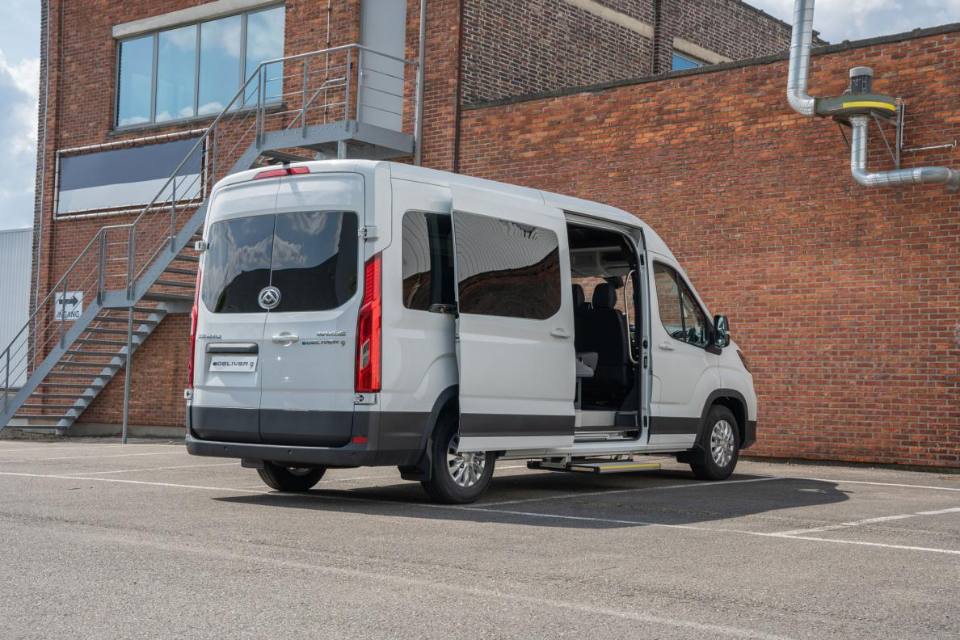
Minibus conversion shown by MAXuse in Belgium. Seating and assistance equipment depend on the locally approved version. Image source: official MAXUS Belgium website.[2]
Turning a Work Checklist into a Vehicle Specification
When specifying a specialist vehicle, provide a practical work checklist covering occupants, tools and equipment, outward and return loads, loading and unloading sequences, and regular sites. Photographs, item dimensions and the order of use help the local team understand the job more accurately.
The local authorised dealer can then discuss layouts based on suitable base vehicles and conversion requirements, confirming the body, seats, restraints and assistance equipment. Once the body and equipment are installed, recheck gross vehicle weight, front and rear axle loads and remaining payload. Confirm the required documentation, operating instructions and maintenance responsibilities.
Before finalising the specification, carry out a loading trial with real tools and goods, and check the layout with different occupant numbers. This can reveal issues that vehicle dimensions alone cannot show: insufficient room to turn a large item during loading, an open tool-cabinet door blocking access, or too little luggage space when every seat is occupied.
Businesses can use the MAXUS global market portal to contact their local authorised dealer about suitable models and specialist conversions.[1] From accessing tools and unloading materials to transporting teams and helping passengers board, resolving these details for the specific vehicle makes it better suited to everyday work.
Frequently Asked Questions
How can a repair team choose between a panel van and roller-shutter tool compartments?
Consider whether tools will mainly be stored inside the vehicle or accessed from separate external compartments, along with opening clearance at regular sites. Belgium's MAXuse range includes an eDELIVER3-based roller-shutter body.[2]
Can an electric van power tools on site?
Yes. The global eDELIVER7 and eDELIVER9 model pages list ePTO and V2L functions for supplying compatible on-site power tools, diagnostic equipment and lighting. Confirm available power and connections with your local authorised dealer.[4][5]
How many people can the eDELIVER9 Crew Van seat?
The official UK page lists seating for up to nine people while retaining a load area, making it an option for teams travelling with equipment.[3]
What if a standard conversion does not fully meet the requirements?
Belgium's MAXuse page states that local MAXUS dealers can provide a bespoke solution when the required configuration is not among the standard options.[2] In other markets, contact the local authorised dealer directly.
Do converted vehicles have warranty cover?
In Belgium, MAXuse conversions carry a three-year warranty, alongside a five-year manufacturer's vehicle warranty and an eight-year high-voltage battery warranty.[2] The UK also offers a five-year vehicle warranty and an eight-year high-voltage battery warranty.[3] Warranty terms in other markets should be confirmed locally.
Does MAXUS offer accessible transport conversions?
The official MAXuse page in Belgium lists accessible transport solutions.[2] Confirm models, assistance equipment and seating with your local authorised MAXUS dealer.
Sources
[1] MAXUS global models and local market portal: https://en.saicmaxus.com/global.shtml
[2] Official MAXUS Belgium MAXuse conversion range and image source: https://www.maxusmotors.be/nl/diensten/maxuse-conversies
[3] Official MAXUS UK specialist conversions page: https://www.saicmaxus.co.uk/conversions/
[4] MAXUS eDELIVER7 global model page: https://en.saicmaxus.com/car/edeliver7.shtml
[5] MAXUS eDELIVER9 global model page: https://en.saicmaxus.com/car/edeliver9.shtml
[6] MAXUS MIFA7 global model page: https://en.saicmaxus.com/car/mifa7.shtml

Director
Automotive and motorsport author, editor, presenter, like raising cars, and outdoor sports and driving.
View anthor’s articlesTalk to a fleet advisor
Leave your contact details and a specialist will follow up within one business day
Request a consultation