
Choosing a Vehicle for Business Hospitality and Airport Transfers: Premium MPV Space, Quietness and Passenger Experience
Explore the MAXUS MIFA9's seating, 3,200 mm wheelbase, luggage arrangements and electric shift planning for corporate hospitality and airport transfers, helping fleets assess passenger and operational needs.
Table of Contents
1. Quick Answer: What Matters in a Business MPV for VIP Transfers?
2. From Airport Transfer to Mobile Meeting Room: Seats, Luggage and Access
3. Passenger and Luggage Space: Using the 466.2 L Boot
4. Electric Quietness and Airport Transfer Range: Scheduling Around the Route
5. Fleet Specification and TCO: Calculating Costs by Transfer Task
6. Frequently Asked Questions
7. Related Official Links
Quick Answer: What Matters in a Business MPV for VIP Transfers?
Corporate hospitality and airport transfers require comfortable seating, room for accompanying luggage and reliable connections between successive trips. The MAXUS MIFA9 is a three-row battery-electric MPV with a 90 kWh battery, seven- or eight-seat layouts and a 3,200 mm wheelbase. Start by testing the usual passenger group, then bring actual suitcase sizes to check luggage space.
The MAXUS MIFA9 has a wheelbase of 3,200 mm.
The MIFA9 has a 90 kWh battery and a combined WLTP range of 435 km (Elite).
The UK MIFA9 Premium seven-seater offers a maximum luggage volume of 466.2 L with the second- and third-row backrests upright.
Businesses prioritising the second-row experience can consider the MIFA9's individual seats. The Singapore version offers ventilation, massage and leg rests; UK Luxury and Premium versions also provide a 220 V socket. Equipment varies by market and version.
Model information: MAXUS MIFA9 global model page
Transfer routes include airport motorways, hotel entrances and low-speed car parks. Experience each during a trial, paying attention to seat support, climate control, tyre noise and how easily passengers can converse.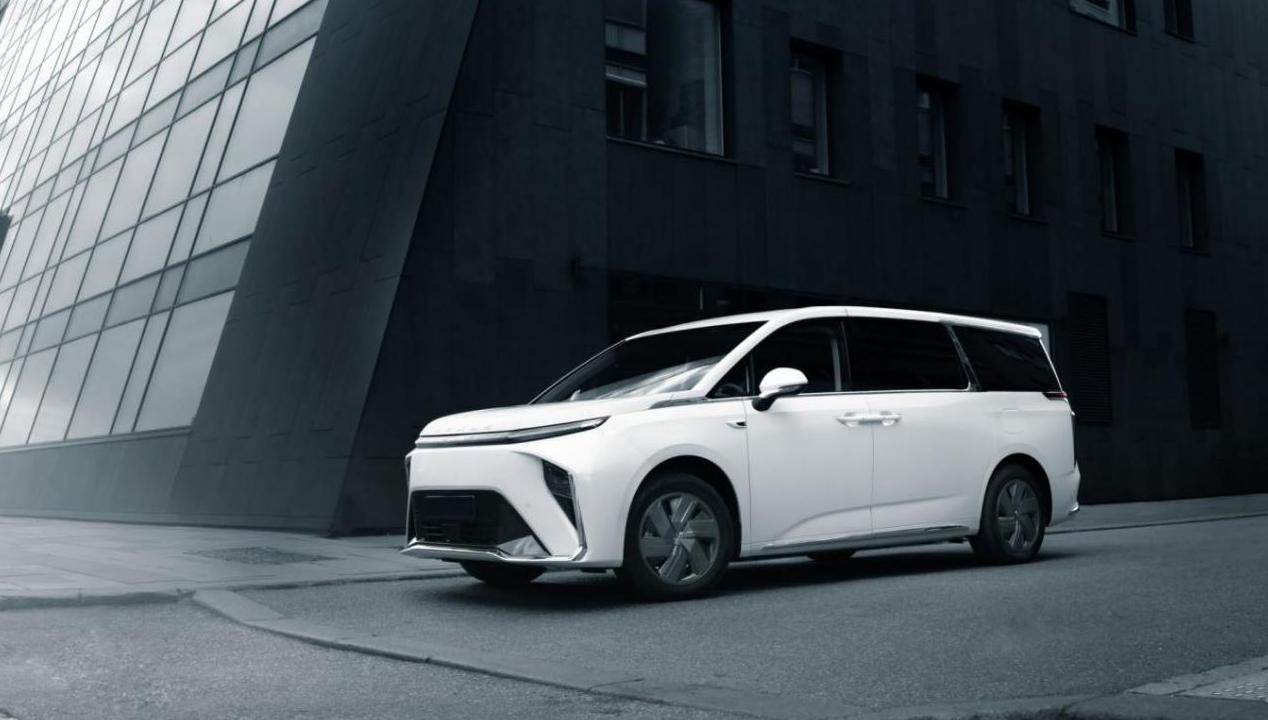
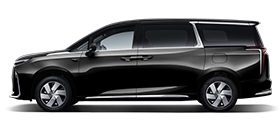
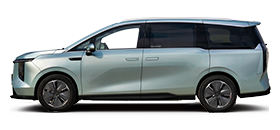
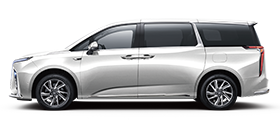
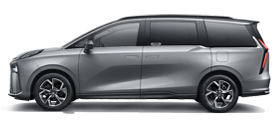
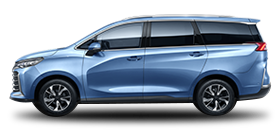
MAXUS MIFA9 battery-electric MPV. Image source: MAXUS.
From Airport Transfer to Mobile Meeting Room: Seats, Luggage and Access
Arriving passengers often have checked baggage, cabin cases and personal belongings. The MIFA9's electric sliding doors on both sides help drivers assist boarding and alighting, though parking must still allow room for doors and luggage handling. It measures 5,270 mm long, 2,000 mm wide and 1,840 mm high. Check height restrictions and parking dimensions before entering airport underground car parks and hotel entrances.
The MIFA9's seven-seat layout is 2+2+3 and its eight-seat layout is 2+3+3, both including the driver. For two principal guests, try the seven-seater's individual second-row seats first; for group transfers, assess the eight-seat layout against team size. Third-row use, seat sliding positions and luggage quantities all affect dispatch planning.
Balancing Work and Rest in the Second Row
Travelling from the airport to a meeting venue, passengers can rest in individual seats, read documents or deal with messages. Singapore's MIFA9 offers second-row ventilation, massage and leg rests. UK Luxury and Premium versions have a 220 V socket, which Elite does not include; rear USB ports are available across these versions. Check plug standards and rated power before connecting a laptop or other equipment.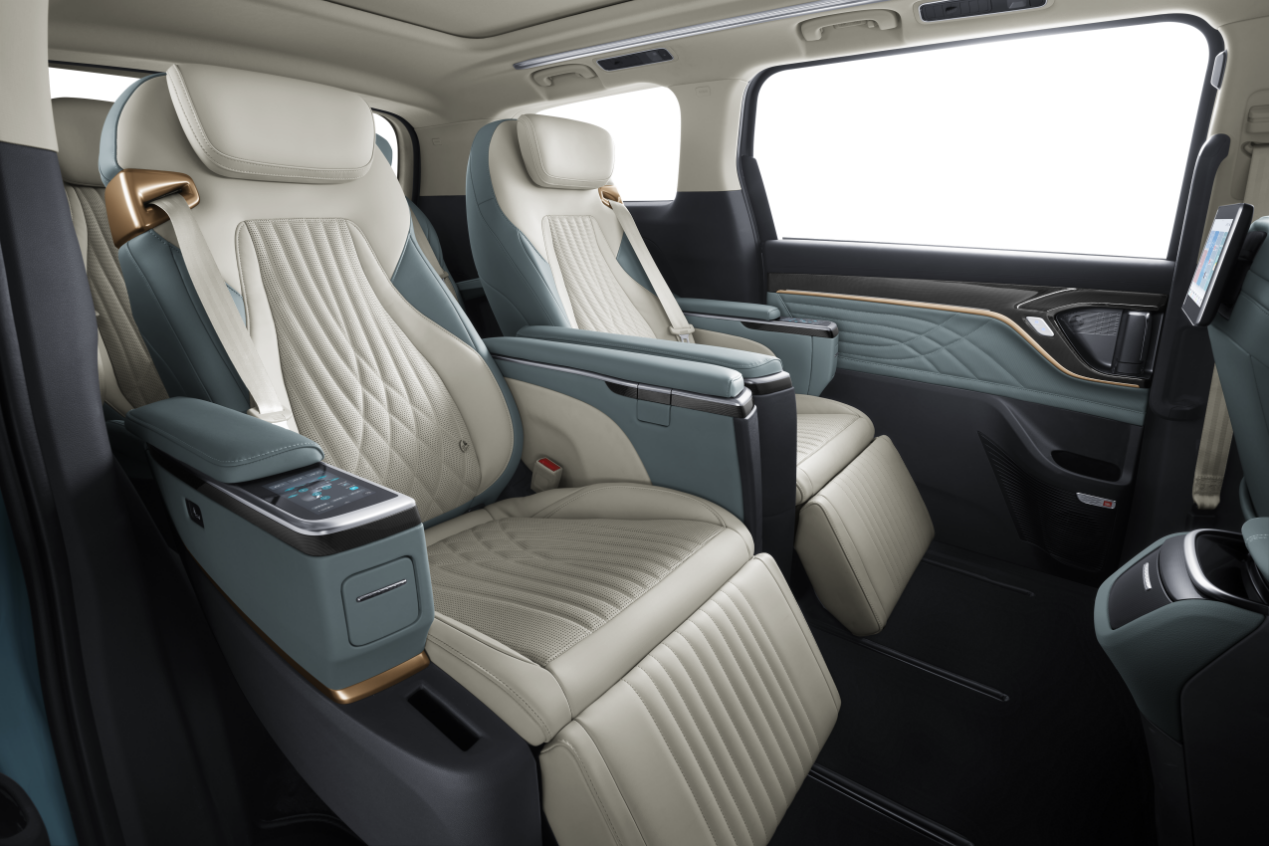
MIFA9 individual second-row seats. Image source: MAXUS.
For voice meetings on the move, check mobile network coverage along the route and secure laptops and tablets. Passenger work must not obstruct the driver's view or controls, and equipment should not slide during hard braking.
Passenger and Luggage Space: Using the 466.2 L Boot
The UK MIFA9 offers a maximum luggage volume of 466.2 L with the second- and third-row backrests upright, expanding to 1,702.7 L with the third row folded and 2,017 L with both rows folded. Sliding the third row also changes the usable length behind it. Transfers usually require passenger seats to remain available, so assess space in the actual seating arrangement rather than using folded-seat volume to plan fully occupied trips.
The number of large cases that fit depends on their dimensions, the luggage area's shape and seat positions. At a procurement loading trial, use the fleet's usual checked cases, cabin cases and bags, recording the passenger count for each combination. Ensure secured luggage does not obstruct visibility.
Collecting luggage quantities and bulky item dimensions when booking helps allocate vehicles in advance. For groups with many people and cases, add a vehicle or split trips so passengers can board directly on arrival.
Electric Quietness and Airport Transfer Range: Scheduling Around the Route
Battery-electric drive has no combustion-engine idling noise during low-speed starts or waiting, helping reduce mechanical noise during transfers. Road surface, tyres, climate control and speed also affect the cabin experience, so fleets can assess their usual routes.
The MIFA9's 540 km range is measured on the NEDC cycle. Combined WLTP range for the corresponding European versions is 435 km for Elite seven- and eight-seaters, and 430 km for Luxury seven- and eight-seaters and Premium seven-seaters. These are different test procedures. Base scheduling on route energy consumption, cold conditions, motorway share, waiting time and the reserve needed to return to base.
Regular journeys between the same city airport, hotels and offices have relatively predictable routes and stops, making overnight or between-trip charging easier to plan. For intercity transfers, successive trips without returning to base, or both, confirm available chargers along the route and retain a reserve for flight delays, diversions and winter consumption. Use the business's own bills to calculate vehicle energy use, local electricity rates, charging losses and infrastructure costs.
A battery-electric MPV reduces tailpipe emissions during driving. When assessing fleet emissions reductions, businesses should also account for the electricity mix and actual energy consumption, distinguishing the vehicle's use phase from its full life cycle.
Fleet Specification and TCO: Calculating Costs by Transfer Task
Allocate specifications by task: principal guest transfers prioritise individual second-row seating, group shuttles prioritise approved passenger capacity, and airport runs need sufficient luggage space. Compile passenger numbers and usual suitcase types into a dispatch checklist before deciding the specification and number of seven- and eight-seat vehicles.
Fleet total cost of ownership (TCO) should cover the same operating period, including acquisition and finance or leasing, chargers, electricity, maintenance, insurance, tyres, taxes and replacement transport during downtime. Include end-of-term residual value for purchases and total contractual payments for leases.
Begin a pilot with one vehicle on a fixed route, recording passengers per trip, luggage space used, actual electricity consumption, charging time and driver feedback. Use the completed records to determine the future seven-/eight-seat mix, charging bay numbers and backup arrangements.
Frequently Asked Questions
What is the MAXUS MIFA9's wheelbase?
The MIFA9 has a 3,200 mm wheelbase and measures 5,270 × 2,000 × 1,840 mm.
What is the MIFA9's range?
The 90 kWh version has an NEDC range of 540 km. Corresponding European versions have a combined WLTP range of 430–435 km, depending on specification. Weather, speed, load, climate control and route affect real-world range.
Can the MIFA9 carry seven people and four 28-inch suitcases?
Test the actual suitcase types. The UK Premium seven-seater offers a maximum luggage volume of 466.2 L with second- and third-row backrests upright. Case shape and seat positions affect the number that will fit.
Does the MIFA9 have second-row massage and leg rests?
The Singapore MIFA9's individual second-row seats offer massage, ventilation, leg rests and backrest adjustment. Contact an authorised MAXUS dealer for locally available equipment.
Does the MIFA9 have a 220 V socket and USB ports?
UK Luxury and Premium versions have a 220 V socket; Elite does not. All these versions have rear USB ports. Confirm local equipment and plug standards in other markets.
Is a battery-electric MPV suitable for an airport transfer fleet?
It can be considered where daily routes are defined, reliable charging windows exist between trips and the range reserve covers delays and diversions. Validate suitability through actual trial shifts first.
How can a business estimate MIFA9 operating costs?
Include purchase or leasing, chargers, electricity, servicing, insurance, tyres, downtime, taxes and residual value over the same period, using actual mileage and bills. Electricity prices, taxes and incentives differ by region; do not directly apply another market's cost figures.
Related Official Links
Contact your local authorised MAXUS dealer for specific model specifications, equipment and availability.
[1] MAXUS MIFA9 official specifications: https://en.saicmaxus.com/uploads/month_202411/files/be588c80ef0f543e3db7724ff5899449.pdf
[2] MAXUS UK MIFA9 product information: https://www.jsholmes.com/media/other/52626586/mifa9.pdf
[3] MAXUS Singapore MIFA9: https://www.cyclecarriage.com/sg/maxus/mifa9
[4] MAXUS MIFA9 global model page: https://en.saicmaxus.com/car/mifa9.shtml

automotive editor
contributor, former automotive editor · contributor on electrified vehicles · editor in chief, specialized in Green Car Reports
View anthor’s articlesTalk to a fleet advisor
Leave your contact details and a specialist will follow up within one business day
Request a consultation