
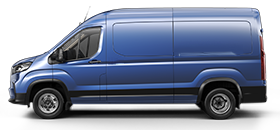
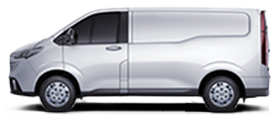
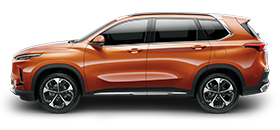
MAXUS eVan Comparison: eDELIVER 7 vs eDELIVER 9
Compare MAXUS eDELIVER 7 and eDELIVER 9 by range, battery, cargo space, payload, size, charging and safety.
Quick Answer
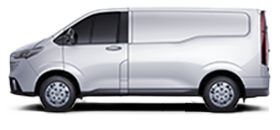
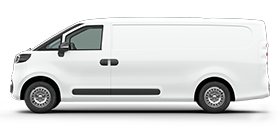
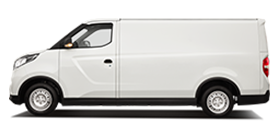
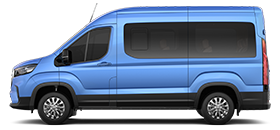
The MAXUS eDELIVER 7 and eDELIVER 9 are both fully electric commercial vans, but they are designed around different vehicle sizes and load requirements.
The eDELIVER 7 offers up to 8.7 m³ of cargo space with a maximum wheelbase of 3,366 mm, while the larger eDELIVER 9 extends cargo capacity to 12.3 m³ and maximum wheelbase to 3,760 mm.
Both models can reach a maximum published WLTP figure of 370 km in selected configurations. The main differences are therefore in cargo capacity, payload, battery options, body size and drivetrain choice.
The eDELIVER 7 is available with 77 kWh and 88 kWh battery configurations, while the eDELIVER 9 range extends to a 100 kWh battery. Detailed configurations vary by body style, drivetrain and market.
eDELIVER 7 vs eDELIVER 9: Quick Comparison
| Specification | MAXUS eDELIVER 7 | MAXUS eDELIVER 9 |
| Battery Options | 77 / 88 kWh | 77 / 88 / 100 kWh |
| Maximum WLTP Range | Up to 370 km | Up to 370 km combined |
| Maximum Payload* | Up to 1,245 kg | Up to 1,530 kg |
| Maximum Cargo Space | 8.7 m³ | 12.3 m³ |
| Maximum Wheelbase | 3,366 mm | 3,760 mm |
| Available Drivetrains | FWD / AWD depending on version | FWD / RWD depending on version |
| Maximum Braked Towing | Up to 2,000 kg | Up to 2,000 kg depending on version |
| High-Power DC Charging | Up to 90 kW depending on version | Up to 90 kW |
| Touchscreen | 12.3-inch | 12.3-inch |
*Payload depends on body, battery, drivetrain and market configuration.
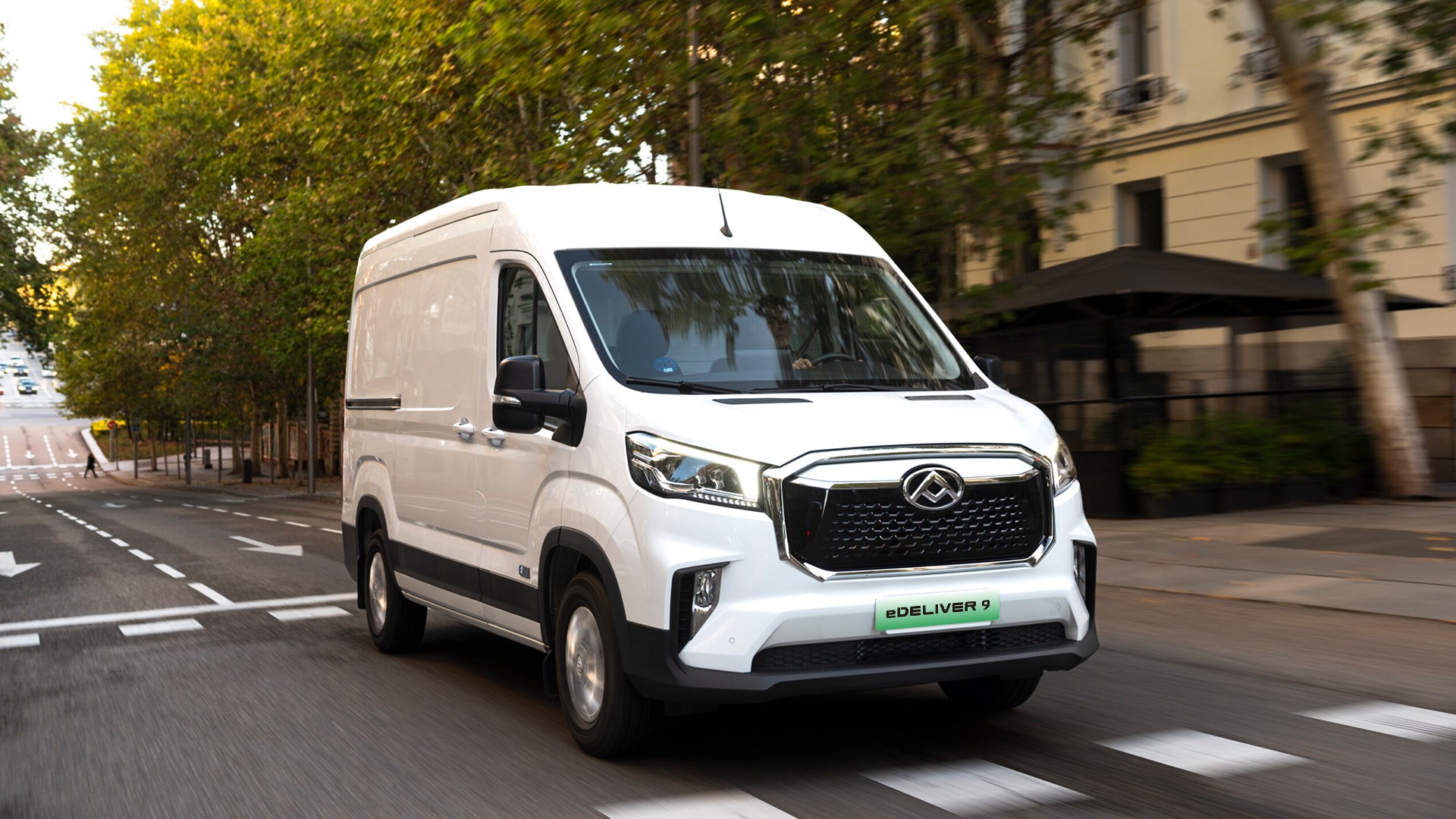
Cargo Space and Vehicle Size
The most noticeable difference between the two vans is cargo capacity.
The MAXUS eDELIVER 7 offers body configurations with cargo volumes ranging from smaller short-wheelbase layouts to a maximum of 8.7 m³. Its maximum wheelbase is 3,366 mm.
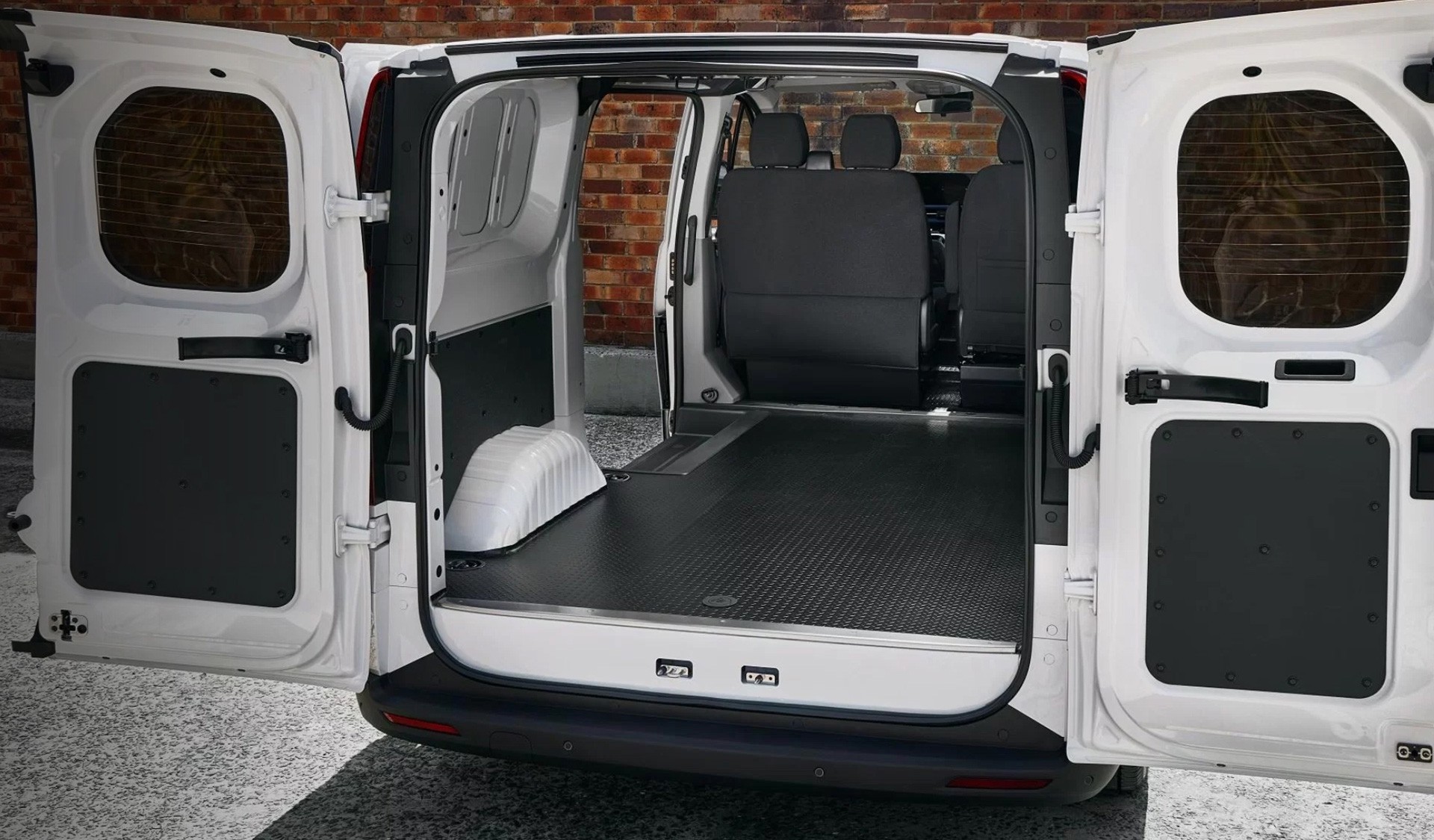
The MAXUS eDELIVER 9 moves into a larger vehicle class. Depending on body height and length, cargo volume reaches 12.3 m³, with a maximum wheelbase of 3,760 mm.
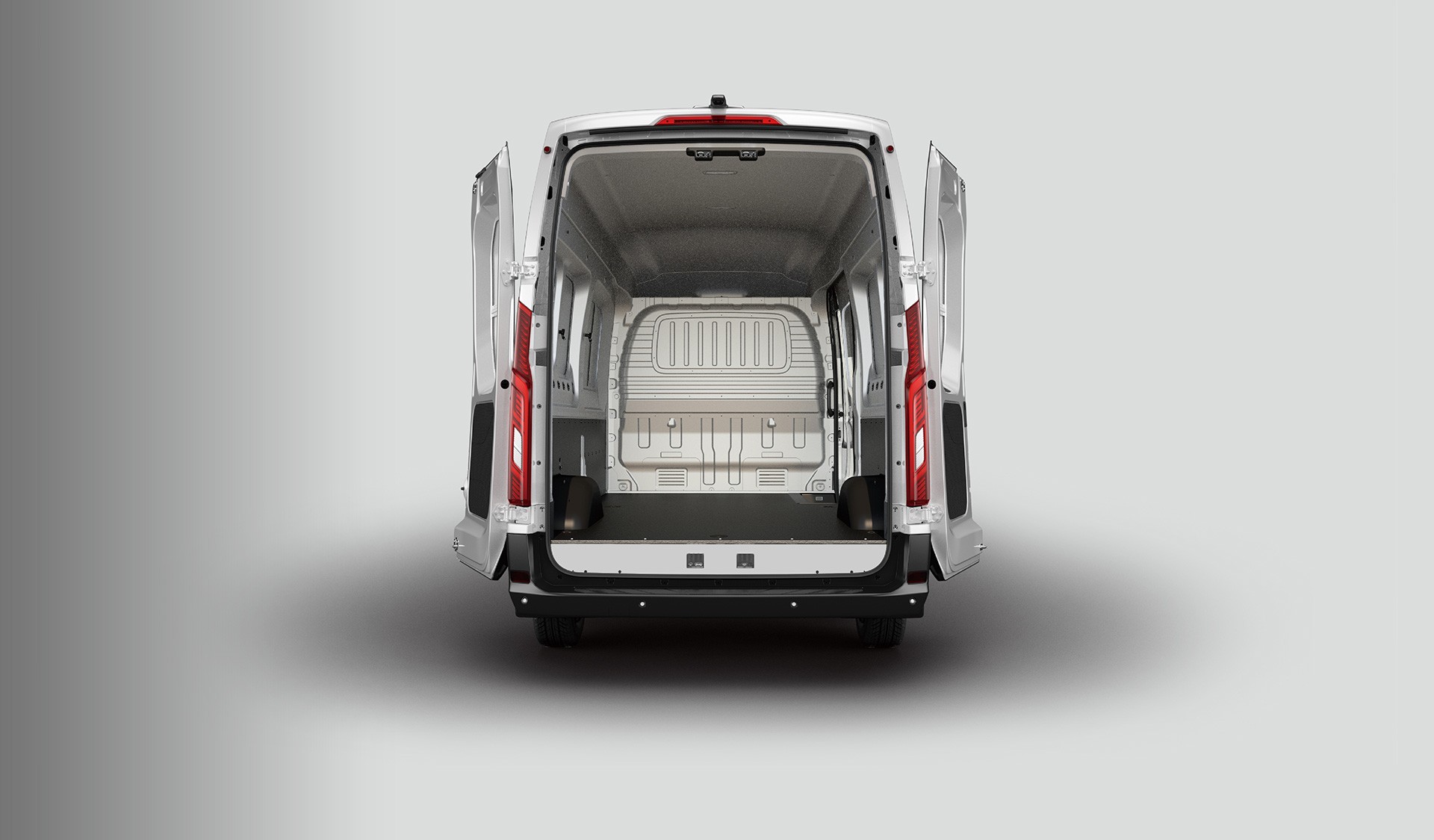
At their maximum figures, the difference in cargo capacity is 3.6 m³.
For regular urban deliveries, service work or routes where vehicle dimensions matter, the more compact eDELIVER 7 may be easier to accommodate.
For higher-volume freight or loads that regularly occupy more space, the eDELIVER 9 provides the larger cargo area.
Payload requirements can be just as important as cargo volume.
The current MAXUS Global pages publish maximum payload figures of:
eDELIVER 7: up to 1,245 kg
eDELIVER 9: up to 1,530 kg
Individual configurations can have lower payload limits because battery size, drivetrain, body length, roof height and vehicle equipment all affect kerb weight.
That matters when comparing electric vans. A larger battery or larger body may provide benefits in one area while changing the amount of weight available for cargo.
For fleet orders, the payload of the exact configuration should therefore be checked rather than relying only on the maximum figure for the model range.
Battery and Driving Range
The eDELIVER 7 and eDELIVER 9 both offer multiple battery and body configurations.
MAXUS eDELIVER 7
The eDELIVER 7 is available with:
· 77 kWh
· 88 kWh
The 88 kWh configuration reaches a maximum WLTP combined range of 370 km in the current specification. Other body and drivetrain combinations have different range figures.
MAXUS eDELIVER 9
The eDELIVER 9 range includes:
· 77 kWh
· 88 kWh
· 100 kWh
The 100 kWh battery supports the longest-range configurations, with a maximum published WLTP combined figure of 370 km.
So although both model ranges can reach 370 km, they do so in different vehicle configurations.
The eDELIVER 7 reaches that figure in a smaller van package, while the eDELIVER 9 combines its longest-range configuration with a substantially larger cargo area.
Actual driving range will vary with payload, temperature, speed, route and operating conditions.
Drivetrain and Performance
The eDELIVER 7 offers both front-wheel-drive and all-wheel-drive configurations.
AWD adds traction for operators working in conditions where additional grip is useful, while front-wheel-drive versions cover the more conventional road and delivery applications.
The eDELIVER 9 takes a different approach, with front-wheel-drive and rear-wheel-drive configurations.
Depending on version, eDELIVER 9 output reaches 170 kW and 330 Nm.
The choice of drivetrain also affects other specifications such as payload, towing capacity and range, so drivetrain should be considered together with the intended load and operating environment.
Charging
Both vans support AC charging for regular depot or overnight use and DC fast charging for shorter charging stops during operation.
For the eDELIVER 7, official configuration data lists an 11 kW onboard charger and high-power DC charging of up to 90 kW, depending on battery version. A 20–80% DC charge is listed at around 43 minutes for the configurations shown.
The eDELIVER 9 offers more charging configurations. The current Global page publishes maximum DC fast charging of 90 kW and maximum AC charging of 22 kW.
For fleet use, charging speed is only one part of the planning process. Daily mileage, parking time, depot charging availability and the number of vehicles sharing charging infrastructure can be equally important.
Towing and Work Capability
Both electric vans can support more than cargo carried inside the vehicle.
The eDELIVER 7 offers up to 2,000 kg of braked towing capacity in the relevant configurations. It also supports an electric power take-off interface for auxiliary equipment.
The eDELIVER 9 can also tow up to 2,000 kg in selected configurations, while other versions have lower towing limits depending on vehicle weight and drivetrain.
Both models include electric power functions designed for commercial applications, including ePTO-related capability.
This can be useful for vehicles fitted with auxiliary equipment such as refrigeration systems or work equipment, depending on the final vehicle specification.
Safety and Driver Assistance
Safety equipment is an important part of both eDELIVER models.
MAXUS Global displays a Gold Rating of Commercial Van for both the eDELIVER 7 and eDELIVER 9.
The eDELIVER 7 features:
· Driver Monitor System
· six airbags
· 360-degree camera
· parking sensors
The eDELIVER 9 features:
· Advanced ADAS System
· Driver Monitor System
· 360-degree camera
· parking sensors
Both models also hold five-star ratings in Euro NCAP's current reassessments of the European-market vans.
Equipment can vary between markets and vehicle versions, so local specifications should be checked for the final safety package.
Which MAXUS Electric Van Fits Your Needs?
The eDELIVER 7 and eDELIVER 9 overlap in driving range, but there is a clear difference in overall size and carrying capacity.
eDELIVER 7
The eDELIVER 7 offers:
· up to 8.7 m³ of cargo space;
· up to 370 km WLTP combined range;
· 77 and 88 kWh battery options;
· FWD and AWD configurations;
· maximum wheelbase of 3,366 mm;
· up to 2,000 kg braked towing capacity.
Its smaller dimensions make it a good fit where cargo requirements are moderate and the van needs to operate regularly in tighter urban or site environments.
eDELIVER 9
The eDELIVER 9 offers:
· up to 12.3 m³ of cargo space;
· up to 370 km WLTP combined range;
· 77, 88 and 100 kWh battery options;
· FWD and RWD configurations;
· maximum wheelbase of 3,760 mm;
· maximum headline payload of 1,530 kg;
· up to 2,000 kg braked towing capacity in selected versions.
Its extra cargo space and higher maximum payload are better suited to operations where larger or heavier loads are part of the regular workload.
For businesses choosing between the two, cargo volume and payload are usually the first specifications to check. Once the required load fits comfortably within the vehicle's limits, battery, drivetrain, charging and vehicle dimensions can narrow the choice further.
Frequently Asked Questions
Does the eDELIVER 7 have all-wheel drive?
Yes. AWD versions of the eDELIVER 7 are available alongside front-wheel-drive configurations.
Is the eDELIVER 9 available in more than one body size?
Yes. The eDELIVER 9 range includes different body lengths and roof heights, with maximum cargo volume reaching 12.3 m³.
Do both vans have Apple CarPlay and Android Auto?
Yes. Both current MAXUS Global pages list a 12.3-inch touchscreen with Apple CarPlay and Android Auto.
Can the eDELIVER 9 be used as a chassis for conversions?
The wider eDELIVER 9 range includes chassis configurations designed to support different commercial body applications.
Are all battery and drivetrain versions available in every country?
No. Model availability, battery capacity, drivetrain, body style and equipment can vary by market. The relevant local MAXUS website should be checked for the configurations available in each country.

Director
Automotive and motorsport author, editor, presenter, like raising cars, and outdoor sports and driving.
View anthor’s articlesTalk to a fleet advisor
Leave your contact details and a specialist will follow up within one business day
Request a consultation