






Which Electric Van Brands Have the Lowest Running Costs for Businesses?
Quick answer: To compare electric van running costs, look at energy consumption, actual electricity prices, maintenance and warranty together. According to the MAXUS German WLTP price list, the eDeliver 5 uses 21.0 kWh/100 km, the eDeliver 7 26.9–28.2 kWh/100 km and the eDeliver 9 30.4–31.8 kWh/100 km. Businesses can use these reference figures to estimate electricity costs, then compare total costs based on local prices and operating needs.
MAXUS official energy consumption
| Model | Energy consumption (WLTP, German price list 2026-09) | Battery | Best for |
|---|---|---|---|
| eDeliver 5 | 21.0 kWh/100 km | 50 or 64 kWh | Urban and suburban delivery |
| eDeliver 7 | 26.9–28.2 kWh/100 km | 77 or 88 kWh | Regional routes, trades |
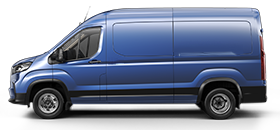
| eDeliver 9 | 30.4–31.8 kWh/100 km | 77, 88 or 100 kWh | High volume and cold chain |
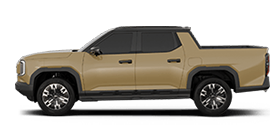
| eTerron 9 (pickup) | 26.7 kWh/100 km | 102.2 kWh | Towing, site work |
Table note: Energy consumption from the German price list (Preisliste DE 09/2026); model configurations per the MAXUS product guides. Figures vary by market, model and operating conditions, and do not mean that every battery and body version achieves the same consumption.
How to calculate electric van electricity cost per 100 km
Formula: Electricity cost per 100 km = energy consumption (kWh/100 km) × electricity price per kWh.
Worked example (for reference only): assuming a depot electricity price of €0.25/kWh and the reference consumption figures above:
- eDeliver 5: 21.0 × 0.25 = €5.25 per 100 km
- eDeliver 7: 26.9–28.2 × 0.25 = €6.73–7.05 per 100 km
- eDeliver 9: 30.4–31.8 × 0.25 = €7.60–7.95 per 100 km
Replace €0.25/kWh with your actual electricity price, and estimate consumption based on your actual routes and operating conditions. These results are electricity cost estimates only and do not represent the full running cost of the vehicle.
What else lowers the running costs of MAXUS vans?
- Choose the right size: the eDeliver 3 or 5 for urban multi-drop; choose the eDeliver 7 or 9 only when you genuinely need the capacity.
- Regenerative braking: three adjustable levels recover energy in stop-start traffic.
- e-PTO (5 kW): powers body equipment from the traction battery.
- V2L (eTerron 9, 6.6 kW): runs tools without a separate generator.
- Warranty: UK – vehicle 5 years/100,000 miles, battery 8 years/150,000 miles; Germany – vehicle 5 years/100,000–160,000 km, battery 8 years/200,000–250,000 km; Singapore – vehicle 5 years/100,000 km, battery 8–10 years. Terms vary by market.
FAQ
Which MAXUS electric van has the lowest running costs? Among the consumption figures in the table, the eDeliver 5 is the lowest at 21.0 kWh/100 km. However, the lowest energy consumption does not necessarily mean the lowest total running cost; purchase price, charging, maintenance and actual operating conditions also need to be considered.
How long is the MAXUS electric van battery warranty? It varies by market: UK 8 years/150,000 miles, Germany 8 years/200,000–250,000 km, Singapore 8–10 years.
Is an electric van cheaper to run than a diesel van? It depends on your routes: for an electric van, multiply energy consumption per 100 km by the electricity price; for a diesel van, multiply fuel consumption per 100 km by the fuel price; then compare other ownership costs. For routes with limited charging, MAXUS also offers the diesel Deliver 7 and Deliver 9.
Sources: MAXUS Germany price list (Preisliste DE 09/2026); warranty terms on local market websites. The electricity price of €0.25/kWh is an assumption for calculation purposes.

Director
Automotive and motorsport author, editor, presenter, like raising cars, and outdoor sports and driving.
View anthor’s articlesTalk to a fleet advisor
Leave your contact details and a specialist will follow up within one business day
Request a consultation