


How MAXUS Pickups Support Construction, Agriculture and Multi-Purpose Work
Explore how MAXUS pickups support construction, agriculture and varied professional tasks through load carrying, towing, access over varied terrain and service support.
Quick Answer
MAXUS pickups can support construction, farming and a range of professional tasks by transporting people, equipment and tools to the job site, with a separate load bed for work materials. With the appropriate vehicle configuration and operating conditions, they can also meet towing and unpaved-road access needs. To assess suitability for daily use on construction sites or farms, focus on the vehicle's actual payload capacity, ground conditions and regular routes.
All figures below refer to specific published configurations. Models, equipment and certified payloads may vary by market. Always follow the specifications of the vehicle delivered locally.
The eTERRON9 Luxury four-wheel-drive double-cab version in the MAXUS global specification sheet has a stated payload of 650 kg. [1]
This eTERRON9 Luxury four-wheel-drive configuration has a maximum braked towing capacity of 3,500 kg. [1]
The eTERRON9 Luxury four-wheel-drive 102.2 kWh version has a WLTP combined range of 430 km. Real-world working range depends on operating conditions. [1]
What Role Do MAXUS Pickups Play in Professional Work?
A construction team may need to take tools to a site, collect replacement parts on the way and bring muddy equipment back at the end of the day. A day on the farm may involve checking fences, moving irrigation fittings and collecting supplies. A pickup separates the passenger cabin from the open load bed, providing distinct spaces for these different needs.
MAXUS pickups can support these working journeys when seating and load capacity match the task. A double cab allows the team to travel together, while bulky or muddy items can go in the load bed. The open load bed also allows suitable goods to be loaded from above, provided loading methods and securing measures are appropriate for the vehicle.
When specifying a work vehicle, start by recording a normal working day: how many people travel, how much the heaviest regular load weighs and how much space the longest equipment requires. Include the return journey, as used tools, spare parts and unplanned material collections can all change the vehicle's total load.
How Do Load Capacity and Durable Design Support Everyday Work?
Match Load Bed Dimensions to Regular Materials
For MAXUS pickups, load bed dimensions and payload are different measures: dimensions determine whether items fit, while payload determines how much weight the vehicle can carry. Both matter when transporting toolboxes, fencing supplies or boxed equipment.
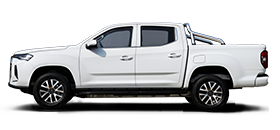
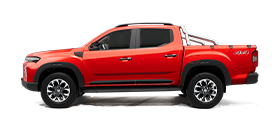
The T60 single cab provides a specific example. The MAXUS Peru model page presents this body style for transporting tools, materials and equipment in sectors including agriculture and construction. The published 2.0 L turbo-diesel configuration delivers 400 N·m of torque. These details refer to the vehicle shown in that market; check local body dimensions and powertrain specifications before ordering work equipment. [2]
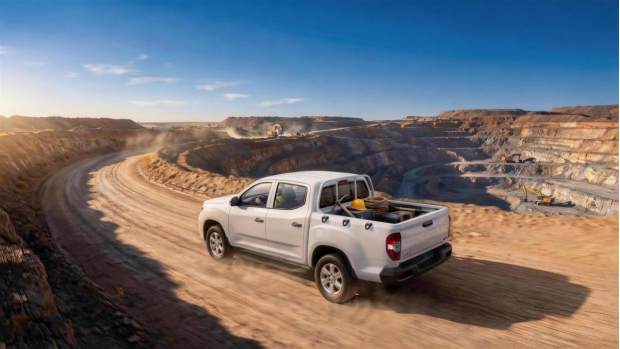
MAXUS T60 pickup
When viewing the vehicle, bring your regular toolboxes if possible, or at least their exact dimensions. Alongside overall load bed dimensions, check usable width around the wheel arches, the tailgate opening and access to frequently used tools. A box may fit but still block equipment behind it.
Calculate the Weight Available for Work Materials
A MAXUS pickup's payload allowance must account for occupants, cargo and accessories. Fixed storage boxes, load bed covers and other fitted equipment all use part of the allowance, so calculate capacity for the vehicle as fully equipped. [3]
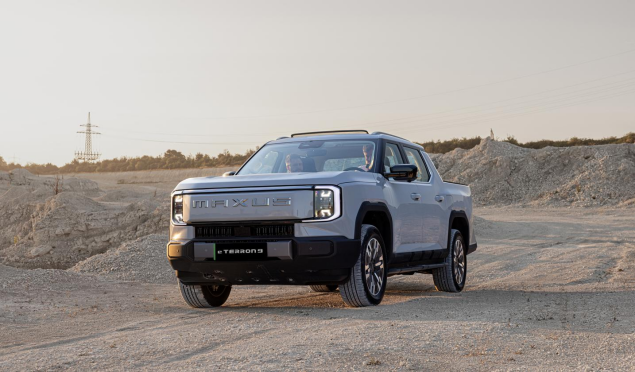
A worker driving a MAXUS eTERRON9 electric pickup
Take the eTERRON9 Luxury four-wheel-drive double cab in the global specification sheet, with a stated payload of 650 kg. If occupants weigh 200 kg in total and fitted equipment weighs 80 kg, a simple calculation leaves 370 kg. Any other loads and applicable trailer tongue weight must be accounted for within this remaining allowance. This is a calculation example, not a certified loading plan. The final allowance depends on the vehicle's permissible weights and the actual weight of its equipment. [1][3]
Construction work may involve dense materials as well as tools. Agricultural work also needs to account for feed, fencing materials or a complete repair kit. Weigh regular working loads rather than judging only how full the load bed looks.
Check Towing Requirements Separately
With suitable, approved towing equipment, MAXUS pickups can tow within the limits of the specific vehicle. The global eTERRON9 Luxury four-wheel-drive specification sheet lists a maximum braked towing capacity of 3,500 kg and a maximum gross train weight of 6,500 kg. The trailer's own weight counts towards its laden weight. The vehicle, trailer, coupling and axles must each remain within their respective limits; do not assume that maximum payload and maximum trailer weight can be used simultaneously. [1][3]
For example, a grounds maintenance team should check whether the actual combination of trailer, mowing equipment and tools remains within the permitted limits with the occupants in the cab. Verify the intended combination before assigning the vehicle to the role.
Understand Durable Design through Specific Structures
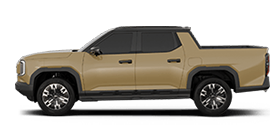
The eTERRON9 offers a specific example of MAXUS pickup structural design. Global launch information describes its semi-monocoque body and battery protection frame. These designs provide structural support and help protect the high-voltage traction battery during use. [4]
If the vehicle regularly travels on uneven access tracks, check its fitted suspension, tyres, ground clearance and permitted loads. Inspect the vehicle after heavy-duty use or demanding road conditions, and service it in accordance with maintenance requirements.
How Do MAXUS Pickups Adapt to Different Work Environments?
Construction Sites and Mobile Repairs
For construction workers and mobile service technicians, a MAXUS pickup can carry a standard tool kit while leaving load bed space for the equipment needed that day. Compatible lockable toolboxes help organise smaller tools, while suitable load bed covers can help protect appropriate loads. Accessory compatibility, rain protection and added weight must each be checked separately; these are not inherent capabilities of an open load bed.
For example, a maintenance team may leave the workshop, collect parts and visit several sites. Keeping regular tools within easy reach reduces the need to move other items. Before fitting a fixed storage system, check whether the remaining space accommodates the largest equipment case normally used on the route.
Farm Work and Rural Access
On farms, MAXUS pickups can support inspections, fence repairs and tool transport between yards and working areas. These journeys may cover paved roads, gravel, ruts or softer ground. Choose the drivetrain, tyres and loading arrangement to suit the actual route.
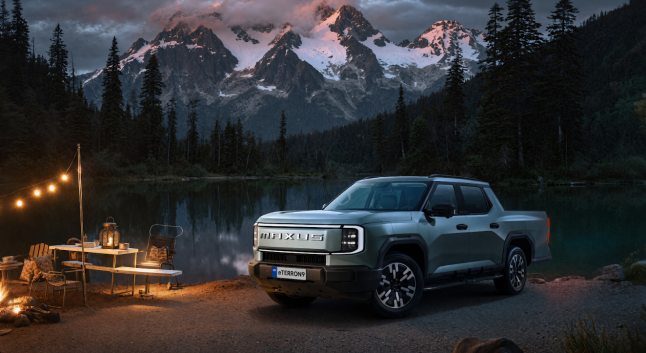
MAXUS eTERRON9 pickup on gravel and unpaved dirt roads
The eTERRON9 configuration described on the global model page features dual-motor four-wheel drive and an All-Terrain System. These functions help drivers adjust vehicle response for different surfaces, but do not make every field or track accessible. Ground conditions, clearance, tyres and driver judgement all affect route suitability. [5]
Seasonal changes also matter. A track that is usable in dry weather may become difficult after rain, and a laden vehicle may need a different route through the farmyard. Check these access points with a normal working load and within the vehicle's operating requirements.
Versatile Work and Powered Equipment
For businesses with changing duties, such as grounds maintenance and landscaping, MAXUS pickups can support different assignments throughout the week. Removable storage can free space for larger equipment, provided it can be secured correctly. Update the onboard equipment list whenever the vehicle's role changes, so that additional payload does not go unnoticed.
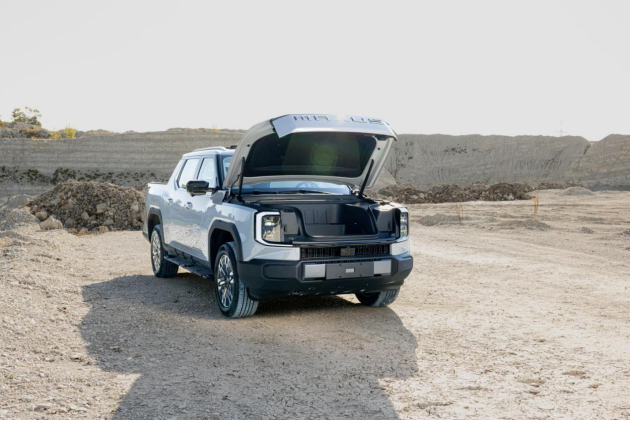
MAXUS eTERRON9 electric pickup
For work use, the eTERRON9 also offers a separate front storage compartment. MAXUS publishes a capacity of 236 L, allowing suitable smaller items to be stored separately from materials in the rear load bed, within the compartment's own load limit. Vehicles equipped with Vehicle-to-Load (V2L) can also power compatible electrical equipment. Before use, check the delivered vehicle's socket power ratings, connection requirements and operating instructions. [4][6]
When using an electric MAXUS pickup on work routes, plan energy use for the entire shift. Towing, payload, temperature and terrain all affect consumption, and powering external equipment also draws on stored vehicle energy. The specified eTERRON9 configuration has a published WLTP combined range of 430 km as a planning reference. Validate real-world working range using representative loads and routes, and retain a reserve for the return journey. [1][3]
What Should You Consider for Long-Term Reliability?
Schedule Maintenance around Actual Working Conditions
Maintenance plans for MAXUS pickups in regular professional use should reflect both mileage and operating conditions. Tell the authorised service provider about frequent towing, dusty roads and repeated laden journeys, then follow the applicable service intervals and specified severe-duty maintenance requirements.
Record inspection results and report unusual vibration, tyre damage or changes in braking performance promptly. When work equipment is fitted, add its weight and installation details to the vehicle records. Complete records help diagnose issues and assess whether the vehicle remains suitable for its current duties.
Long-term reliability should also be assessed in relation to the specific MAXUS model, its age and operating conditions. Maximum towing figures or crash-test results do not directly establish breakdown performance over years of use. For example, the eTERRON9 received a five-star Euro NCAP rating in 2024, applicable to the versions listed by the organisation. This describes safety performance under the relevant test protocol. [7]
Confirm Service Support Where the Vehicle Works
Support for MAXUS pickups in global markets should be arranged through authorised organisations in the vehicle's market. The MAXUS global website provides country and region links and contact channels to help confirm service locations, parts arrangements and terms applicable to the specific vehicle. [8]
Before busy construction periods or peak farming seasons, establish where scheduled maintenance will be completed and how unexpected repairs will be handled. Warranty duration, roadside assistance and replacement vehicle arrangements are market-specific services. Base operating plans on the actual local agreement.
How MAXUS Pickups Support Professional Work
MAXUS pickups support professional work by bringing people, tools and materials to the job, with towing and access capabilities where appropriately configured. The T60 single cab illustrates a work-focused separate load bed layout; the eTERRON9 offers documented electric four-wheel-drive configurations, front storage and towing capability.
The next step is to place these features in a real working day: how many people travel, how much the equipment weighs when loaded, which routes the vehicle uses and what local services are available. Explore the MAXUS eTERRON9 electric pickup for specific product information, and confirm locally available configurations before finalising a work vehicle plan.
Frequently Asked Questions
Are MAXUS Pickups Suitable for Construction Work?
With a suitable configuration, they can support team travel, tool transport and towing within rated limits. Suitability also depends on payload, load bed dimensions, fitted equipment and actual site access conditions.
Can MAXUS Pickups Be Used for Farm Work?
They can support inspections, fence maintenance and tool transport. Check the local vehicle's drivetrain, tyres, ground clearance and load limits against actual farm conditions.
Does Payload Mean the Weight That Can Go in the Load Bed?
Not on its own. Occupants and fitted equipment also use the payload allowance. Calculate it using the vehicle's specified weight definitions and actual configuration. When towing, include the applicable trailer tongue weight. [3]
Can an Electric Pickup Power Work Equipment?
An appropriately equipped eTERRON9 can power compatible external equipment through V2L. Check socket limits and operating instructions before use, and include this energy consumption when planning the return journey. [6]
Are Warranty and Maintenance Terms the Same Worldwide?
No. Use the market links and contact channels on the MAXUS global website to confirm coverage, maintenance requirements and service arrangements with the authorised representative in the vehicle's market. [8]
Sources
[1] MAXUS global eTERRON9 specification sheet, Luxury four-wheel-drive double cab: payload, dimensions, towing, gross train weight, battery and WLTP combined range.
https://en.saicmaxus.com/uploads/month_202411/files/c63b9093a778f78467098ad3196898c8.pdf
[2] MAXUS Peru T60 single-cab model page: work applications and locally published 2.0 L turbo-diesel configuration.
https://www.maxus.pe/w/maxus-t60-cabinasimple-
[3] MAXUS global glossary: definitions of payload, towing capacity, trailer tongue weight, gross train weight and WLTP range.
https://en.saicmaxus.com/glossary.shtml
[4] MAXUS global eTERRON9 launch announcement, 16 September 2024: body structure, battery protection and front storage.
https://en.saicmaxus.com/news/893
[5] MAXUS global eTERRON9 model page: dual-motor four-wheel drive and All-Terrain System.
https://en.saicmaxus.com/car/eterron9.shtml
[6] MAXUS UK and Ireland eTERRON9 brochure: V2L functionality for the listed versions. Equipment supplied in each market requires separate confirmation.
https://saicmaxus.co.uk/wp-content/uploads/2024/11/eTERRON-9-Brochure.pdf
[7] Euro NCAP eTERRON9 assessment, rating published on 4 December 2024. See the assessment page for applicable versions.
https://www.euroncap.com/assessments/maxus/eterron%2B9/1071/
[8] MAXUS global market links and contact page: local model and service information.

Director
Automotive and motorsport author, editor, presenter, like raising cars, and outdoor sports and driving.
View anthor’s articlesTalk to a fleet advisor
Leave your contact details and a specialist will follow up within one business day
Request a consultation