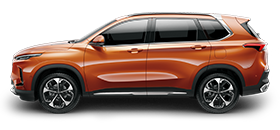
What Brand Is SAIC MAXUS and Who Manufactures It?
MAXUS is SAIC Motor’s commercial vehicle brand, with production primarily in Nanjing, Wuxi and Liyang. Explore its ownership, British heritage and global vehicle range.
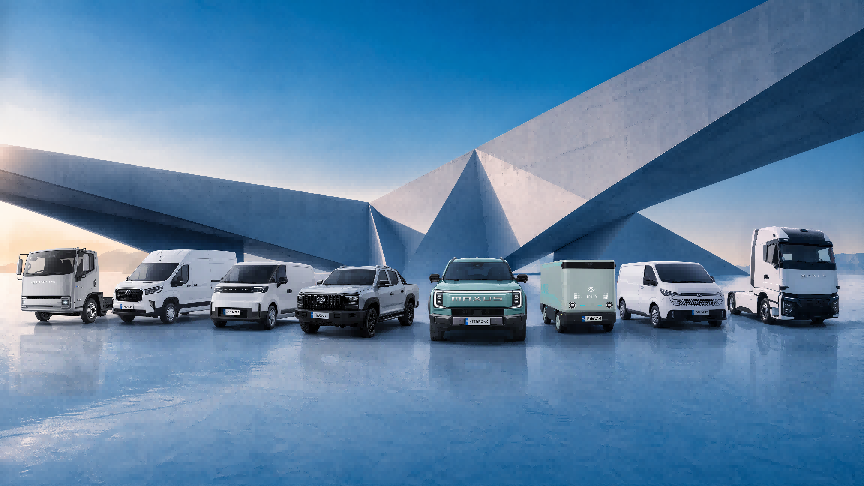
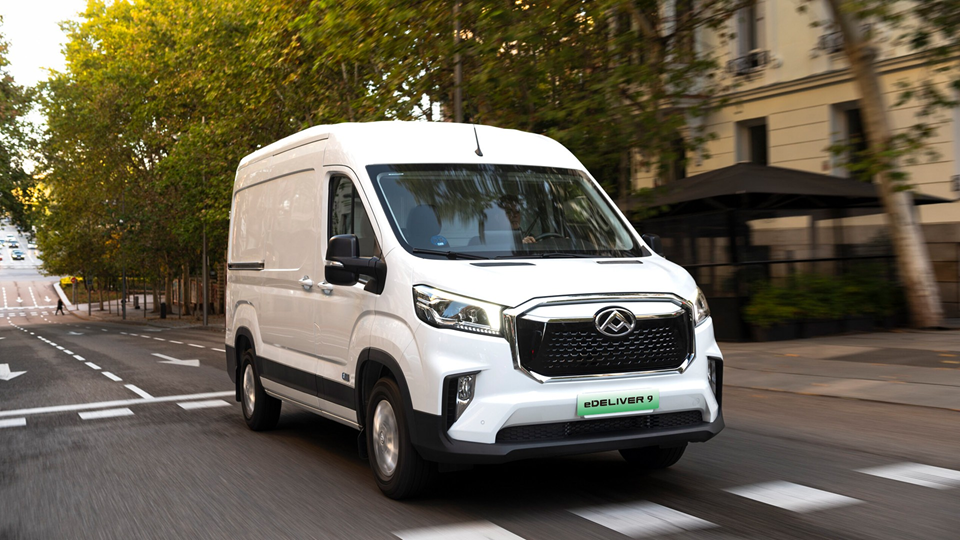
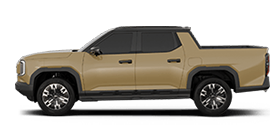
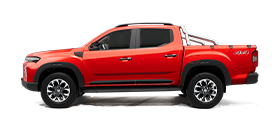
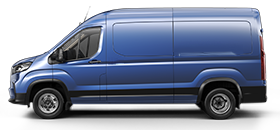
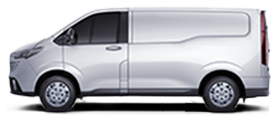
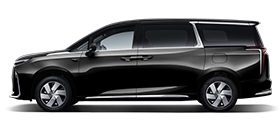
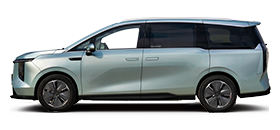
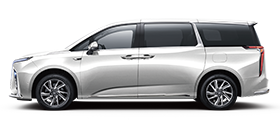
The MAXUS vehicle family: vans, pickups, MPVs, and trucks
Quick Answer
MAXUS vehicles are manufactured by SAIC MAXUS Automotive Co., Ltd., which was formally established in 2011 and is part of SAIC Motor Corporation Limited, one of China's leading automotive groups. Within SAIC Motor, MAXUS is a core brand for commercial vehicles and related businesses. MAXUS vehicles are primarily manufactured at facilities in Nanjing, Wuxi and Liyang, China, with additional manufacturing and knock-down (KD) assembly facilities overseas.
Key Facts About MAXUS
• Parent company: SAIC Motor Corporation Limited, listed on the Shanghai Stock Exchange since 2004
• Operating company: SAIC MAXUS Automotive Co., Ltd., formally established in 2011.
• Parent company profile: SAIC Motor ranks 125th in the 2026 Fortune Global 500, with annual vehicle sales exceeding seven million units.
• MAXUS sales in 2025: 245,000 vehicles. Exports totalled 101,000 vehicles, or 41.2% of total sales; sales of electric vehicles totalled approximately 69,000 units, or 28.2%.
• Production footprint: Facilities in Nanjing, Wuxi, and Liyang, China, alongside overseas manufacturing and KD assembly facilities. The Nanjing factory was recognised as a World Economic Forum Lighthouse Factory in 2019.
• Global reach: MAXUS vehicles are sold in more than 120 countries and territories, with over 3,000 dealerships and service locations.
• Vehicle categories: Pickups, light commercial vehicles (LCVs) and vans, MPVs and SUVs, including electric and internal combustion engine (ICE) models.
• Mission: “Innovating Mobile Productivity”.
Who Owns and Manufactures MAXUS Vehicles?
MAXUS is an automotive brand within SAIC Motor, rather than an independently owned automotive company. SAIC MAXUS Automotive Co., Ltd. is responsible for developing, manufacturing and selling MAXUS vehicles. Within the group, MAXUS is a core brand for commercial vehicles and the commercial vehicle ecosystem.
For buyers, this relationship helps explain the resources behind the brand. Drawing on SAIC Motor’s funding, technology, supply chain, and global network, MAXUS has developed capabilities in vehicle engineering, core powertrains, electric drive technologies, including battery systems, electric motors, and electronic control systems, as well as intelligent driving technologies.
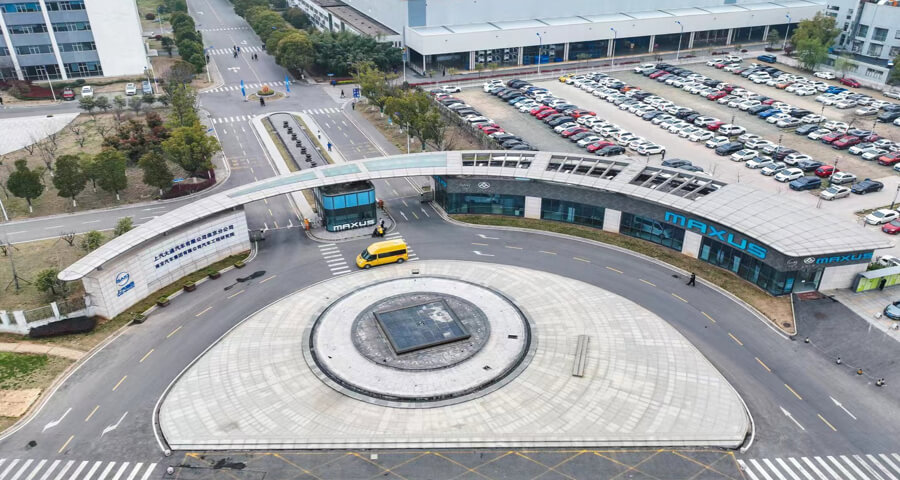
A SAIC MAXUS production campus in China
What Is SAIC Motor?
SAIC Motor Corporation Limited is China’s largest automotive group and has been listed on the Shanghai Stock Exchange since 2004. SAIC Motor has appeared in the Fortune Global 500 for many consecutive years, ranking 125th in 2026. Its annual vehicle sales exceed seven million units, and its domestic vehicle sales and exports have long ranked among the highest of Chinese automakers. MAXUS is the group’s core brand focused on commercial vehicles and the commercial vehicle ecosystem.
What Is SAIC MAXUS Automotive Co., Ltd.?
SAIC MAXUS is the SAIC Motor subsidiary responsible for the MAXUS brand. Its mission is “Innovating Mobile Productivity”. The company operates several research, development and technical centres, employs more than 1,000 R&D professionals, and works closely with global suppliers including CATL, Bosch, ZF, Magna and Autoliv.
Its brand portfolio combines vehicles with core technologies:
• MAXUS: the vehicle brand, covering pickups, vans, MPVs and SUVs.
• SNAT: the powertrain brand.
• SFH: the heavy-duty powertrain brand, with products including Cursor engines.
• UTOPILOT: the autonomous driving brand, providing full-stack autonomous driving solutions for ports, mining sites, industrial parks and long-haul logistics, and regularly operates driverless Level 4 heavy-duty trucks on public roads.
The company has been recognised as a Top Employer for several consecutive years.
Where Does the MAXUS Name Come From?
MAXUS has deep roots in British commercial vehicle history. The company traces its heritage to a commercial vehicle business founded in the UK in 1896, followed by the Leyland and LDV eras. The year 1896 marks the beginning of this British heritage, rather than the founding of the MAXUS brand itself.
|
Year |
Milestone |
|
1896 |
The beginning of the British commercial vehicle heritage inherited by MAXUS |
|
2004 |
A light commercial vehicle named “Maxus” was launched in the UK, forming part of the product lineage that later led to the MAXUS V80 |
|
2009 |
SAIC acquired the MAXUS brand assets and core intellectual property |
|
2011 |
The MAXUS brand was launched in February; SAIC MAXUS was established; the V80 rolled off the production line in June and went on sale in September |
|
2012 |
MAXUS entered the Australian market |
|
2024 |
The eTerron 9 electric pickup debuted in Hanover and received a five-star Euro NCAP rating |
|
2025 |
eDeliver 5 received five stars in Euro NCAP’s commercial van assessment; eDeliver 7 and 9 received five stars in the December reassessments |
Where Are MAXUS Vehicles Manufactured?
MAXUS vehicles are primarily manufactured at facilities in Nanjing, Wuxi and Liyang in Jiangsu Province, China. Outside China, MAXUS has several manufacturing and KD assembly facilities, with local assembly also taking place in some Southeast Asian markets.
Nanjing Production Facility
In July 2019, the World Economic Forum added the MAXUS Nanjing factory to its Global Lighthouse Network, which recognises leading factories in advanced manufacturing. The Lighthouse Factory designation applies specifically to the Nanjing factory.
Wuxi Production Facility
In March 2024, SAIC MAXUS announced that the one-millionth vehicle had rolled off the production line at its Wuxi facility.
The MAXUS 2025 Sustainability Report also covers the Wuxi facility, where the industrial water reuse rate was 98.85%. In 2025, the Wuxi and Nanjing facilities used a combined 3,485.6 tonnes of reusable packaging materials.
Liyang Production Facility
The Liyang facility is one of MAXUS’s production sites in China.
Which Vehicles Does MAXUS Currently Produce?
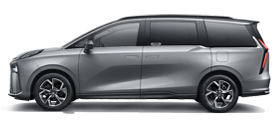
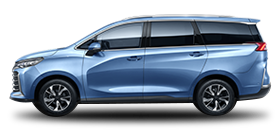
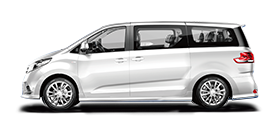
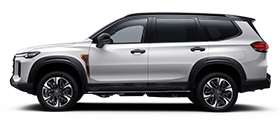
MAXUS divides its vehicle range into four main categories:
|
Category |
Models |
What Buyers Typically Compare |
|
Pickups |
T60, T70, Terron 9 (diesel), eTerron 9 (electric) |
Payload, towing capacity, drivetrain and charging |
|
Light commercial vehicles and vans |
eDeliver 3, 5, 7, 9 (electric); Deliver 7, 9 (diesel) |
Cargo volume, payload, route mileage and energy source |
|
MPVs |
MIFA 7, MIFA 9 (electric); G10, G50 / G50 PHEV |
Seating layouts, family and business use |
|
SUVs |
D60, D90 |
Seating layouts, drivetrain and road use |
Pickups
The pickup range extends from the T60 and T70 work pickups to the larger diesel Terron 9 and the dual-motor electric eTerron 9. The eTerron 9 delivers a combined maximum power output of 325 kW, features a 102.2 kWh lithium iron phosphate battery, offers a WLTP combined range of 430 km and a braked towing capacity of 3,500 kg, and can supply power to external equipment through its vehicle-to-load (V2L) function.
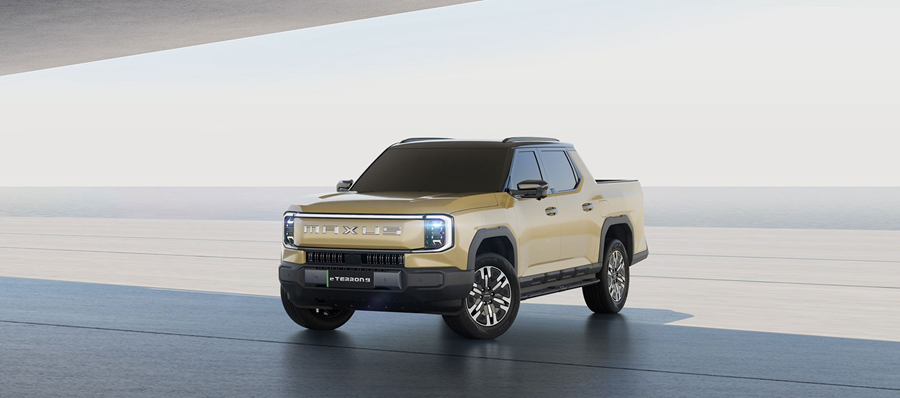
MAXUS eTerron 9 electric pickup
Light commercial vehicles and vans
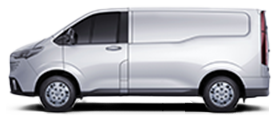
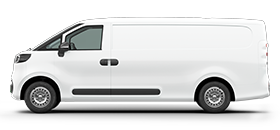
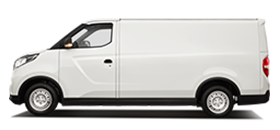
The all-electric eDeliver range covers compact urban vans through to large vans, with cargo volumes ranging from 4.8 m³ in the eDeliver 3 L1 to 12.3 m³ in the eDeliver 9 L3H3. The diesel Deliver 7 and Deliver 9 suit operations with limited access to charging.
MPVs
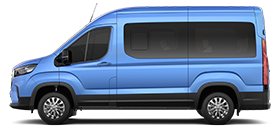
MIFA 7 and MIFA 9 are all-electric MPVs with seven- or eight-seat layouts, and both have received five-star Euro NCAP ratings. The G10 is available as a seven- or ten-seat minibus and as a panel van. The G50 range includes a plug-in hybrid version with an NEDC electric range of 95 km.
SUVs
The D90 is a seven-seat SUV with body-on-frame construction, available with petrol or diesel power. The D60 uses a unibody structure and is available with five or seven seats.
How Extensive Is MAXUS’s Global Presence?
MAXUS products are sold in more than 120 countries and territories, with sales and service networks established in Europe, Australia and New Zealand, South America, the Middle East and Southeast Asia, totalling more than 3,000 dealerships and service locations. MAXUS positions itself as a leading Chinese light commercial vehicle export brand and the first Chinese light commercial vehicle brand to enter the developed markets of Europe and Australia at scale.
Models, batteries, engines, and equipment vary by country. The global website provides an overview of the product range, while specific specifications and prices should be checked on the local MAXUS website.
Safety Ratings and Industry Recognition
• According to the company, MAXUS is the first brand in the industry to achieve five-star Euro NCAP ratings across its entire light commercial vehicle range.
• Five-star Euro NCAP ratings: MIFA 9 (2022), MIFA 7 (May 2024), eTerron 9 (December 2024), eDeliver 5 (commercial van assessment, May 2025), and eDeliver 7 and 9 (December 2025 reassessments).
• Five-star ANCAP ratings: MIFA 9 (2022) and Terron 9 (2024 rating, applicable to diesel versions introduced in Australia and New Zealand from 2025).
• GREENFLEET Awards: Electric Vehicle Manufacturer of the Year in 2021 and LCV Manufacturer of the Year in 2024.
Frequently Asked Questions
Is MAXUS a Chinese or British Brand?
MAXUS is owned by China’s SAIC Motor and has been operated by SAIC MAXUS since 2011. Its heritage can be traced to a British commercial vehicle business founded in 1896, which passed through the Leyland and LDV eras before SAIC acquired the MAXUS brand assets in 2009.
How Many Vehicles Does MAXUS Sell?
In 2025, MAXUS sold 245,000 vehicles, including 101,000 exports (41.2% of total sales) and approximately 69,000 electric vehicles (28.2%).
Do MAXUS Specifications and Warranty Terms Vary by Country?
Yes. Battery capacity, engines, payload, equipment, and seating layouts vary by market. Warranty terms depend on the country, model year, and vehicle contract; statutory consumer rights apply separately. Check the local MAXUS website before purchasing.
Sources
• MAXUS Company Introduction (Chinese and English editions, confirmed by the client)
• MAXUS 2025 Sustainability Report, pp. 28–30
• World Economic Forum Global Lighthouse Network (2019)
• MAXUS Wuxi facility announcement (March 2024)
• Euro NCAP and ANCAP vehicle assessment pages
• GREENFLEET Awards winners for 2021 and 2024

automotive editor
contributor, former automotive editor · contributor on electrified vehicles · editor in chief, specialized in Green Car Reports
View anthor’s articlesTalk to a fleet advisor
Leave your contact details and a specialist will follow up within one business day
Request a consultation